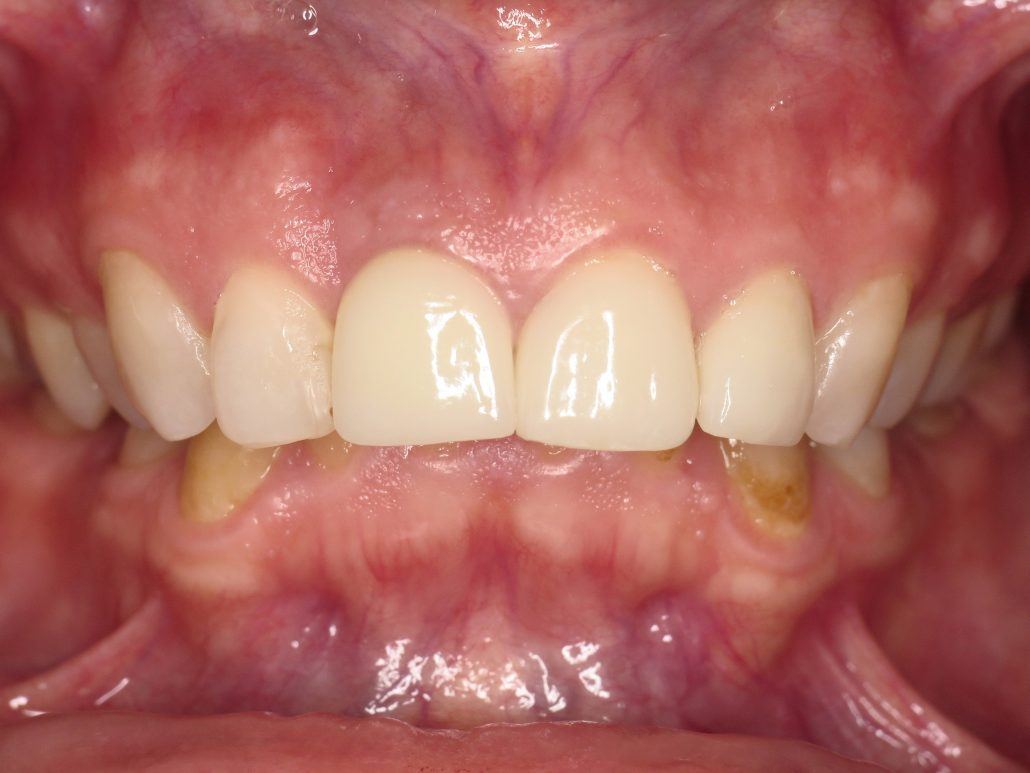
Most dental emergencies don’t appear suddenly. They develop gradually, starting with manageable symptoms that worsen over time. Recognizing these early signs allows you to address problems before they become urgent.
Small Problems That Can Become Urgent Fast
What seemed like a minor issue builds beneath the surface, and the discomfort becomes persistent until emergency care becomes necessary. Many people ignore subtle changes until pain or swelling forces them to seek help.
Early Signs That Should Never Be Ignored
Tooth Sensitivity That Comes and Goes
Sensitivity to hot, cold, or sweet foods may indicate enamel wear, receding gums, or early cavity development. Waiting until sensitivity becomes severe pain can mean a simple filling no longer suffices, and infection becomes more likely.
Bleeding During Brushing or Flossing
Regular bleeding while cleaning teeth signals early gum inflammation. If ignored, this progresses to advanced gum disease, potentially causing swelling, recession, and bone loss.
A Chipped or Cracked Tooth
Small chips seem harmless, but any enamel crack creates an entry point for bacteria. These areas are difficult to clean and quickly develop decay and infection.
Subtle Changes in Breath, Bite, or Alignment
Persistent Bad Breath or a Bad Taste
When regular hygiene doesn’t eliminate odor, deeper issues may exist: decay under old fillings, gum infections, or abscesses. A bad taste in the mouth can also indicate a draining abscess, which can quickly develop into an emergency.
Jaw Soreness or Clicking
Morning jaw soreness or clicking sounds may indicate TMJ problems. Over time, this strain limits movement and causes pain during eating and speaking.
Food Getting Stuck Between the Same Teeth
Consistent food trapping suggests gum recession or slight alignment shifts. Even without pain, trapped particles create an ideal environment for bacteria and plaque buildup.
Loose or Shifting Teeth
Teeth should remain stable. Shifting, increased spacing, or looseness may indicate underlying bone loss, often a sign of advanced periodontal disease and a leading cause of emergency extractions.
Warning Signs in Existing Dental Work
Crowns That Feel Loose or Unstable
Loosening crowns—especially from decay underneath—expose dentin and increase sensitivity and infection risk.
Fillings That Catch or Crack
Old fillings crack or separate from teeth, trapping food and bacteria. Rough or “off” feeling fillings need replacement to avoid emergency root canal treatment.
How Early Detection Prevents Emergency Visits
Dental emergencies typically begin with manageable symptoms like minor sensitivity, slight biting discomfort, or mild gum irritation. Left unaddressed, small cavities reach the tooth nerve, gum inflammation deepens affecting supporting bone, and enamel cracks spread into fractures or infections.
Routine exams allow dentists to spot problems before symptoms appear. X-rays reveal hidden decay and bone loss. Periodontal charting tracks gum health and recession. Professional cleanings remove tartar and bacteria triggering inflammation.
Investing in preventive care means fewer surprises—and fewer after-hours calls for emergency dental care. This approach reduces the likelihood of needing complex procedures like extractions, root canals, or surgery.
What to Do If You’re Not Sure Something’s Wrong
Seek evaluation if you notice:
- Changes in how teeth fit together
- Sores lasting over a week without healing
- Persistent bad breath or unusual taste
- Crowns or fillings feeling different
- Food repeatedly catching in the same spot
If something feels “off,” it probably is. You don’t need to wait for swelling, severe pain, or bleeding to take it seriously. Early evaluation often determines whether a problem requires a simple fix or emergency intervention.
Related care at our practice:
Related articles


Questions about your periodontal or implant care?
Our board-certified periodontists are here to help.