Bone & Sinus Grafting
Bone Grafting
Rebuilds lost jawbone volume using proven grafting materials, recreating a solid base for implants where bone has deteriorated after tooth loss or disease.
Overview
A strong foundation for lasting implants
After a tooth is lost, the bone that once supported it begins to shrink. Gum disease, infection and long-term denture wear can cause bone loss too. Without enough bone, an implant may not have the support it needs.
Bone grafting adds bone or bone-substitute material to the area. Over the following months your body gradually replaces it with your own new bone, rebuilding the height and width needed for an implant and a natural-looking result.
This treatment may help if you have:
- Bone loss after a tooth extraction
- Thin or narrow jawbone
- Bone lost to gum disease
- Planning for a future implant
The Process
What to expect, step by step
- 01
Evaluation
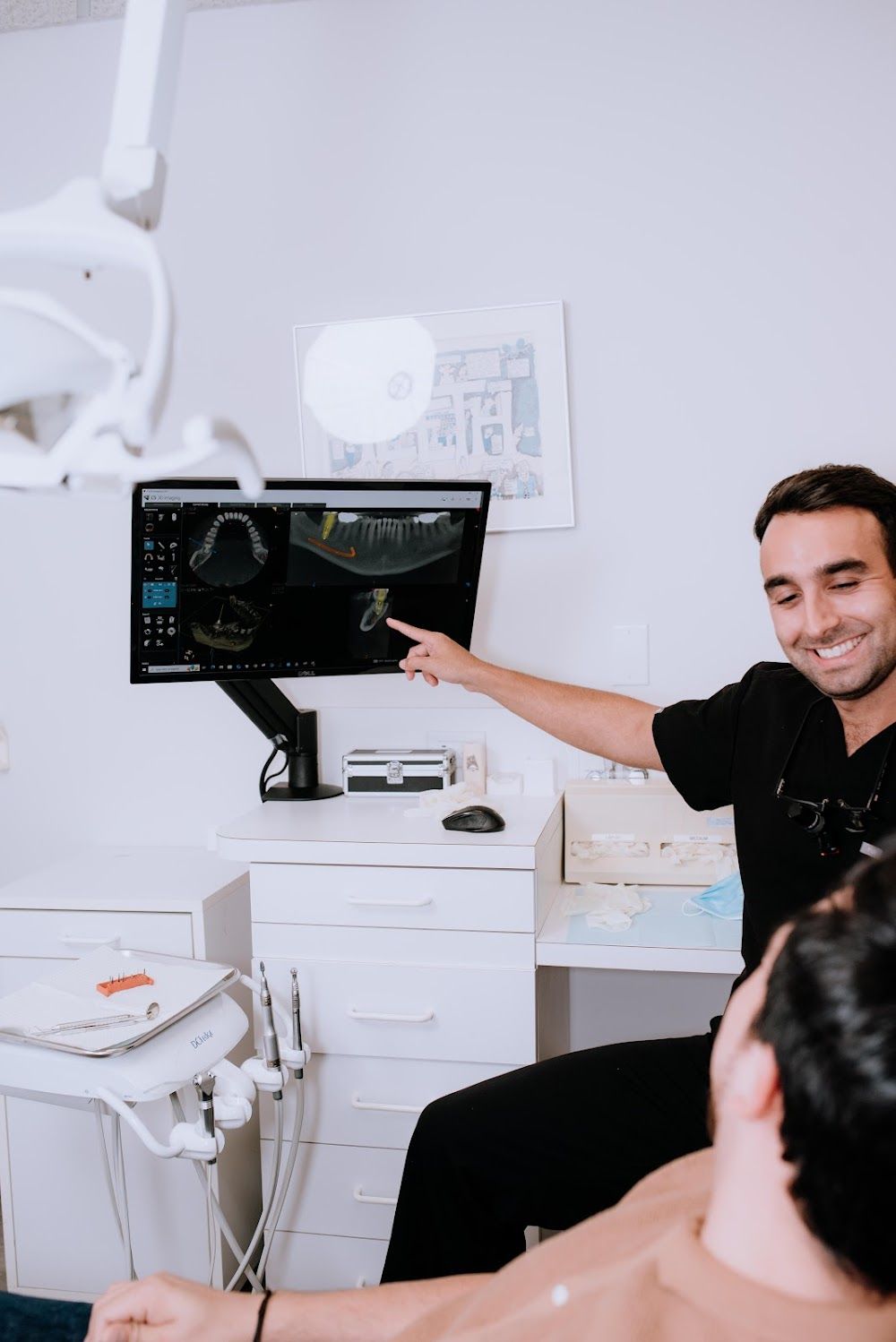
A clinical exam and 3D CBCT scan show how much bone is present and where it is needed.
- 02
Graft placement
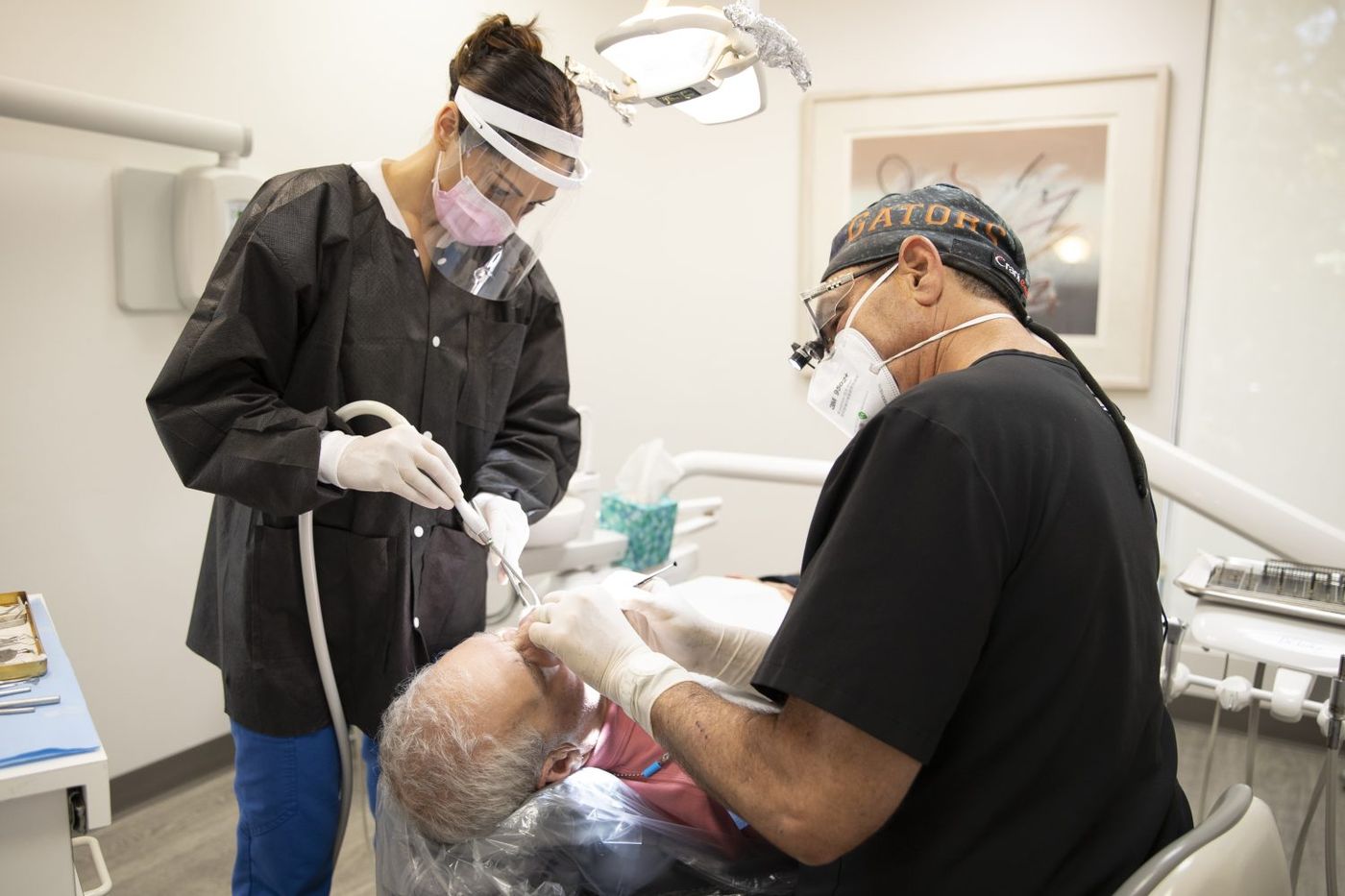
Under local anesthesia, grafting material is placed and often covered with a protective membrane.
- 03
Healing
Over several months, your body integrates the graft and forms new bone.
- 04
Implant placement
Once the site has healed, the implant can be placed into the rebuilt bone.
Benefits
What bone grafting can do
Makes implants possible
Rebuilding bone volume can make implant treatment an option when it otherwise would not be.
Preserves your ridge
Grafting a socket at the time of extraction helps limit the shrinkage that follows tooth loss.
Supports natural esthetics
Restored bone supports the gums, helping your new tooth look natural.
Bone Grafting: your questions, answered
General information to help you prepare. Your periodontist will recommend treatment based on your exam.
A dental bone graft adds bone or bone-substitute material to areas of the jaw where bone has been lost. Over time, the body replaces the graft with new natural bone.
Implants require sufficient bone height and width for long-term stability. When bone has deteriorated after tooth loss or gum disease, grafting rebuilds the foundation needed for successful placement.
Grafts may use processed donor bone, synthetic materials, or bone substitutes, all carefully prepared for safety and biocompatibility. The most suitable material is selected based on the size and location of the defect.
Socket preservation is a graft placed immediately after a tooth extraction. It helps maintain the shape and volume of the jawbone, keeping the site ready for a future implant.
Ridge augmentation rebuilds the width or height of a jaw ridge that has already shrunk. It restores the bone contour needed for implant placement and a natural-looking restoration.
The procedure is performed under local anaesthesia, so discomfort during treatment is minimal. Mild swelling and tenderness for a few days afterward are common and manageable.
Healing typically takes three to six months, depending on the size and type of graft. During this time, the graft integrates and matures into new bone.
Yes, smaller defects can often be grafted during implant placement. Larger grafts usually heal first before the implant is placed.
Avoid chewing on the treated area, smoking, and vigorous rinsing during early healing. Following post-operative instructions helps protect the graft and supports successful integration.
Costs depend on the size of the area, the grafting material, and whether a membrane is required. A consultation with 3D imaging provides an accurate evaluation and a detailed cost estimate.
Not sure which treatment you need?
Schedule a consultation and we'll create a personalized plan — including financing options — for your smile.