Periodontal (Gum) Therapy
Gum Recession Treatment
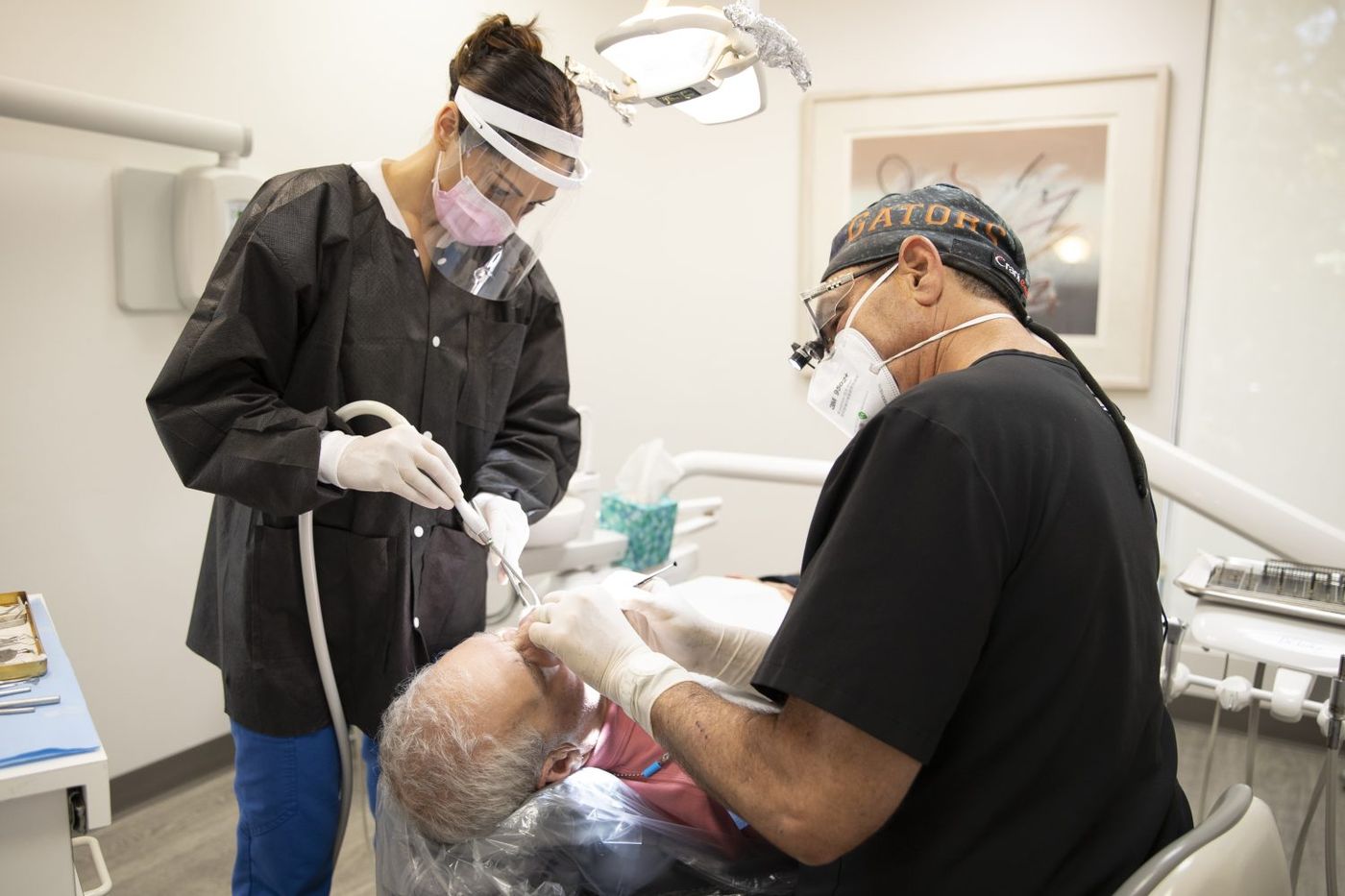
Soft-tissue grafting and root coverage to treat receding gums, reduce sensitivity, and protect exposed roots for a healthier, more even gumline.
Overview
Protect your roots and restore your gumline
Gum recession happens when the gum tissue pulls back and exposes the root of a tooth. Roots are not protected by enamel, so they can become sensitive, more prone to decay and, over time, the tooth can lose support.
Recession can be caused by gum disease, aggressive brushing, thin gum tissue, grinding or orthodontic movement. Soft-tissue grafting adds healthy tissue to cover exposed roots and thicken the gum, helping protect the tooth for the long term.
This treatment may help if you have:
- Teeth that look longer than before
- Sensitivity to cold or sweets
- Visible or notched roots
- An uneven gumline
The Process
What to expect, step by step
- 01
Exam
We measure the recession, check gum thickness and look for the underlying cause.
- 02
Plan
We recommend the grafting technique that fits your gums and goals.
- 03
Grafting
Under local anesthesia, tissue is positioned over the exposed roots and secured in place.
- 04
Healing
The graft integrates over the following weeks. We check your progress at follow-up visits.
Benefits
Benefits of treating recession
Less sensitivity
Covering exposed roots can significantly reduce sensitivity to temperature and touch.
Stops further recession
Thicker, healthier gum tissue is more resistant to continued recession.
A more even smile
Root coverage restores a balanced, natural-looking gumline.
Real Results
From our patient cases
Gum Recession → Root Coverage. Every case is different, and we will show you what results are realistic for you at your consultation.
View the Gallery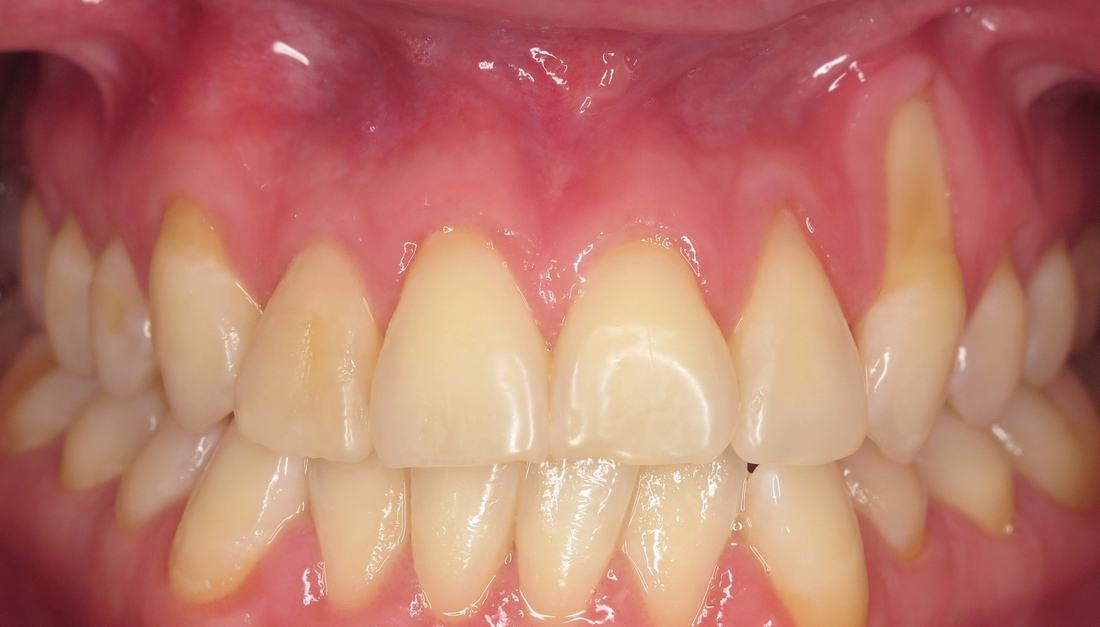 BEFORE
 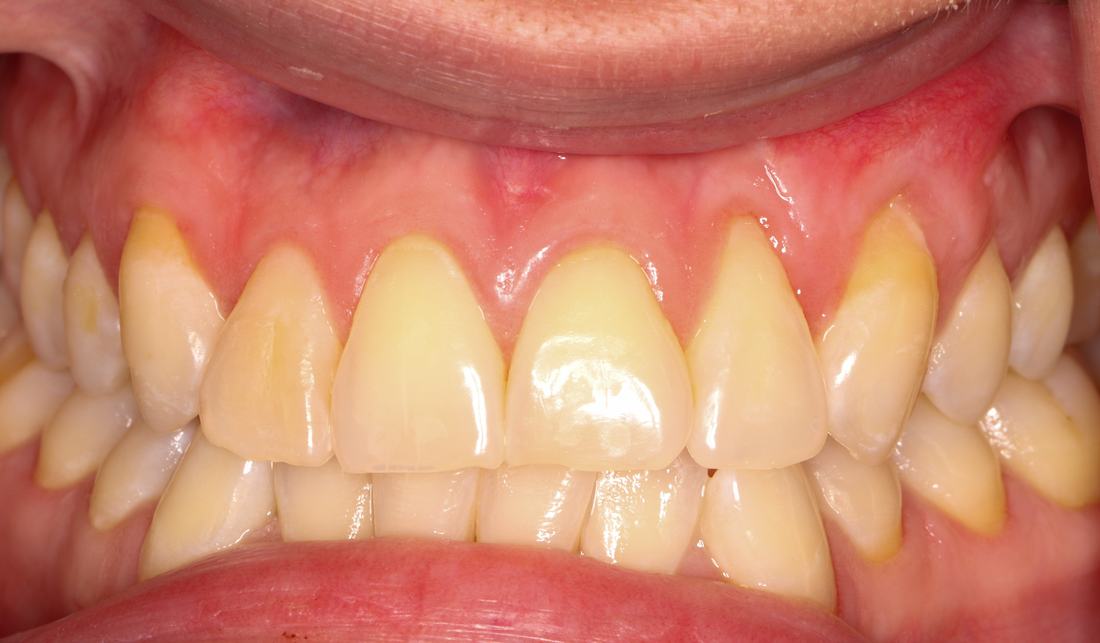 AFTER
AFTER Gum Recession Treatment: your questions, answered
General information to help you prepare. Your periodontist will recommend treatment based on your exam.
Gum recession can result from gum disease, aggressive brushing, thin gum tissue, teeth grinding, or orthodontic movement. Identifying the cause helps prevent further recession after treatment.
No, gum tissue that has receded does not regenerate naturally. Soft-tissue grafting is the most predictable way to restore lost gum coverage.
A gum graft places healthy tissue over exposed roots to cover them and thicken the gumline. It protects the tooth, reduces sensitivity, and improves the appearance of the smile.
Palate-free grafting uses donor tissue instead of tissue taken from the roof of your mouth. This avoids a second surgical site, meaning less discomfort and an easier recovery.
Yes, covering exposed root surfaces often significantly reduces sensitivity to hot, cold, and sweet foods. Results depend on the amount of root coverage achieved.
The procedure is performed under local anaesthesia, so patients remain comfortable during treatment. Mild tenderness for several days afterward is common and manageable.
Initial healing usually takes one to two weeks, while the graft continues to mature over the following months. Follow-up visits confirm that the tissue is integrating properly.
Yes, several adjacent areas of recession can often be treated in a single procedure. This reduces overall treatment time and recovery periods.
Use a soft toothbrush with gentle technique, treat any gum disease, and wear a night guard if you grind your teeth. Regular checkups help detect early changes.
Costs vary based on the number of teeth treated and the grafting technique used. A consultation provides a thorough evaluation and a detailed cost estimate.
Not sure which treatment you need?
Schedule a consultation and we'll create a personalized plan — including financing options — for your smile.