Bone & Sinus Grafting
Sinus Grafting (Sinus Lift)
Adds bone beneath the sinus in the upper jaw so implants can be securely placed in the back of the mouth, using crestal or lateral-window techniques as your anatomy requires.
Overview
Making room for implants in the upper jaw
The upper back teeth sit just below the maxillary sinuses. After these teeth are lost, the bone often thins and the sinus can expand downward, leaving too little bone to hold an implant.
A sinus graft, often called a sinus lift, gently raises the sinus membrane and places bone graft material beneath it. Once healed, this new bone gives an implant the height and stability it needs.
This treatment may help if you have:
- Missing upper back teeth
- Thin bone below the sinus
- Sinus that has expanded after tooth loss
- Planning implants in the upper jaw
The Process
What to expect, step by step
- 01
CBCT evaluation
We measure bone height and examine the sinus to plan the safest approach.
- 02
Sinus graft
Under local anesthesia, the sinus membrane is gently lifted and graft material is placed beneath it.
- 03
Healing
Over the following months, the graft matures into bone that can support an implant.
- 04
Implant & tooth
The implant is placed (if not already) and later restored with a crown.
Benefits
Why a sinus lift helps
Creates bone height
Adds the vertical bone needed to support an implant where it would otherwise be too thin.
Restores back-tooth chewing
Lets implants replace upper molars and premolars that do the hard work of chewing.
Tailored technique
Crestal or lateral-window approaches are chosen based on how much bone you have.
Real Results
From our patient cases
CBCT measurement of bone below the sinus. Every case is different, and we will show you what results are realistic for you at your consultation.
View the Gallery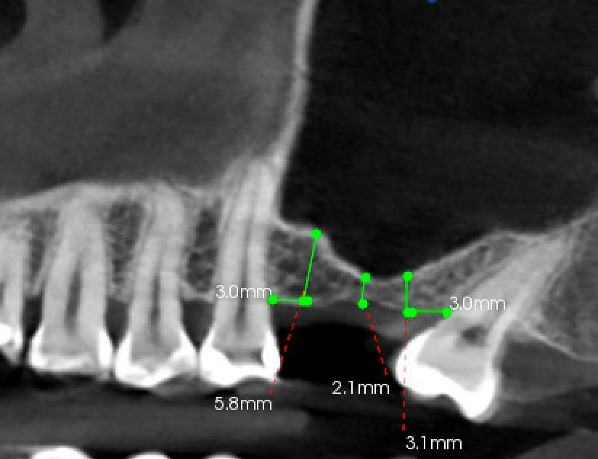
Sinus Grafting: your questions, answered
General information to help you prepare. Your periodontist will recommend treatment based on your exam.
A sinus lift, or sinus graft, adds bone beneath the maxillary sinus in the upper jaw. It creates enough bone height to support dental implants in the back of the mouth.
After upper back teeth are lost, the bone often thins and the sinus can expand downward. A sinus graft restores the bone needed for secure implant placement.
A crestal approach raises the sinus floor through the implant site and is used for moderate bone loss. A lateral-window approach accesses the sinus from the side of the jaw for larger grafts.
When enough bone remains to stabilize the implant, it can often be placed at the same visit. If bone is very limited, the graft heals first and the implant follows later.
The procedure is performed under local anaesthesia, so patients remain comfortable. Most describe recovery as similar to having a tooth removed, with mild swelling for a few days.
Healing typically takes four to nine months, depending on the size of the graft. During this time, the graft matures into bone capable of supporting an implant.
The procedure works beneath the sinus membrane, so breathing is not affected. Mild congestion may occur during the first few days and usually resolves on its own.
Avoid blowing your nose forcefully, sneeze with your mouth open, and avoid using straws during early healing. These precautions protect the graft and the sinus membrane.
A 3D CBCT scan measures the bone beneath the sinus and maps surrounding anatomy. This imaging guides the choice of technique and the timing of implant placement.
Costs depend on the technique used, the amount of graft required, and whether the implant is placed at the same time. A consultation with CBCT imaging provides a detailed cost estimate.
Not sure which treatment you need?
Schedule a consultation and we'll create a personalized plan — including financing options — for your smile.