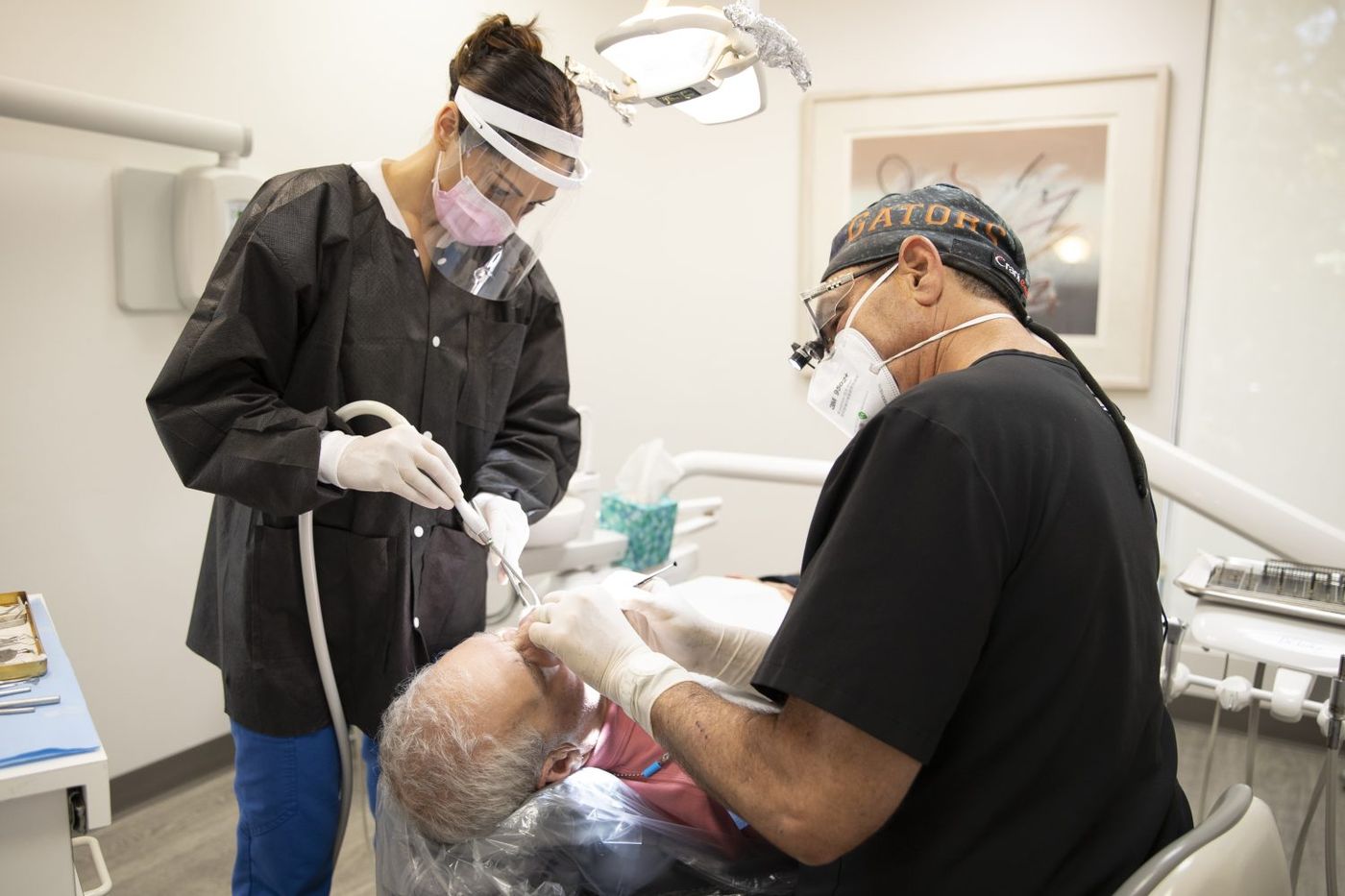
Periodontal (Gum) Therapy
Non-Surgical Periodontal Therapy
Scaling, root planing, and other non-surgical treatments to control gum disease — often the essential first step before any surgery is considered.

Overview
Controlling gum disease without surgery
Gum disease begins when plaque and tartar build up below the gumline. The body reacts with inflammation, which causes bleeding gums and, over time, pockets and bone loss. Regular cleanings cannot reach deep enough once these pockets form.
Scaling and root planing, often called a deep cleaning, removes tartar and bacteria from below the gumline and smooths the root surfaces so the gums can heal and reattach. For many patients it is the only treatment they need.
This treatment may help if you have:
- Bleeding when brushing or flossing
- Red, swollen or tender gums
- Persistent bad breath
- Early to moderate gum pockets
The Process
What to expect, step by step
- 01
Periodontal exam
We measure pocket depths, check for bleeding and review X-rays for bone loss.
- 02
Deep cleaning
The teeth are numbed and cleaned below the gumline, often by section of the mouth.
- 03
Re-evaluation
After several weeks of healing, we re-measure pockets to check your response.
- 04
Maintenance
Regular periodontal maintenance visits keep the gums healthy over the long term.
Benefits
Why start with non-surgical therapy
Conservative
No incisions, and treatment is completed in routine office visits under local anesthesia.
Reduces inflammation
Removing bacteria and tartar lets the gums heal, reducing bleeding and pocket depth.
Shows what is needed next
After healing, we re-measure to see whether any areas need further treatment.
Real Results
From our patient cases
Non-Surgical Periodontal Therapy. Every case is different, and we will show you what results are realistic for you at your consultation.
View the Gallery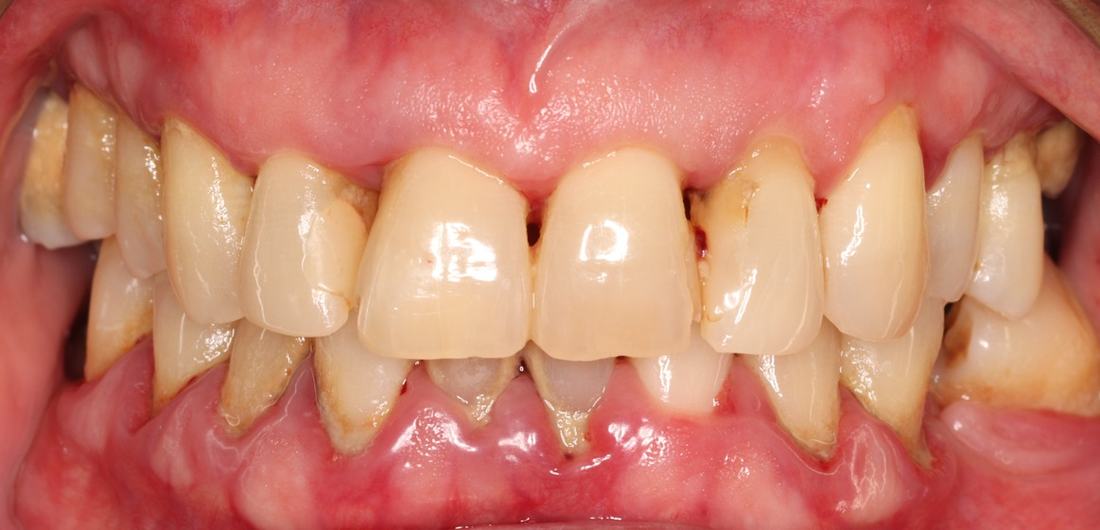 BEFORE
 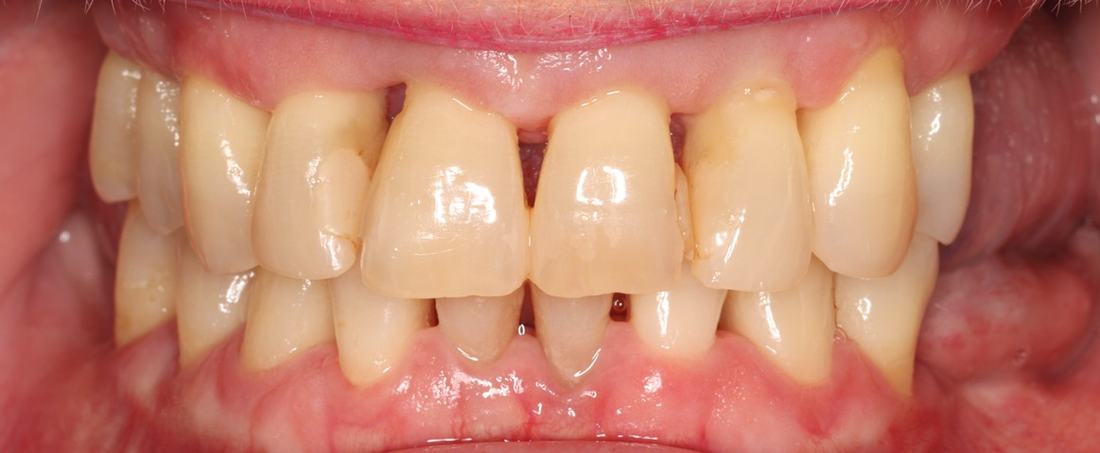 AFTER
AFTER Non-Surgical Therapy: your questions, answered
General information to help you prepare. Your periodontist will recommend treatment based on your exam.
Non-surgical periodontal therapy treats gum disease without incisions. It includes scaling, root planing, and other treatments that remove bacteria and tartar from below the gumline.
Scaling removes plaque and tartar above and below the gumline, while root planing smooths the root surfaces. Together, they help the gums heal and reattach to the teeth.
A regular cleaning focuses on the tooth surfaces above the gumline. A deep cleaning treats the roots below the gumline, where gum disease causes damage.
The treated area is numbed with local anaesthesia, so patients remain comfortable. Mild tenderness or sensitivity afterward is common and usually short-lived.
Treatment is often completed in one to four visits, usually by section of the mouth. The number of visits depends on the severity of the gum disease.
Common signs include bleeding gums, swelling, persistent bad breath, gum recession, and loose teeth. A periodontal examination measures pocket depths to confirm the diagnosis.
In some cases, localised antimicrobials are placed in specific pockets to help control bacteria. Their use depends on how the gums respond to initial therapy.
Many patients respond well and do not require surgery. If deep pockets remain after healing, surgical options may be recommended.
Periodontal maintenance is a specialized cleaning, typically every three to four months, for patients with a history of gum disease. It helps keep the condition stable over the long term.
Costs depend on the severity of the disease and the number of areas treated. A consultation and periodontal evaluation provide a detailed cost estimate.
Not sure which treatment you need?
Schedule a consultation and we'll create a personalized plan — including financing options — for your smile.