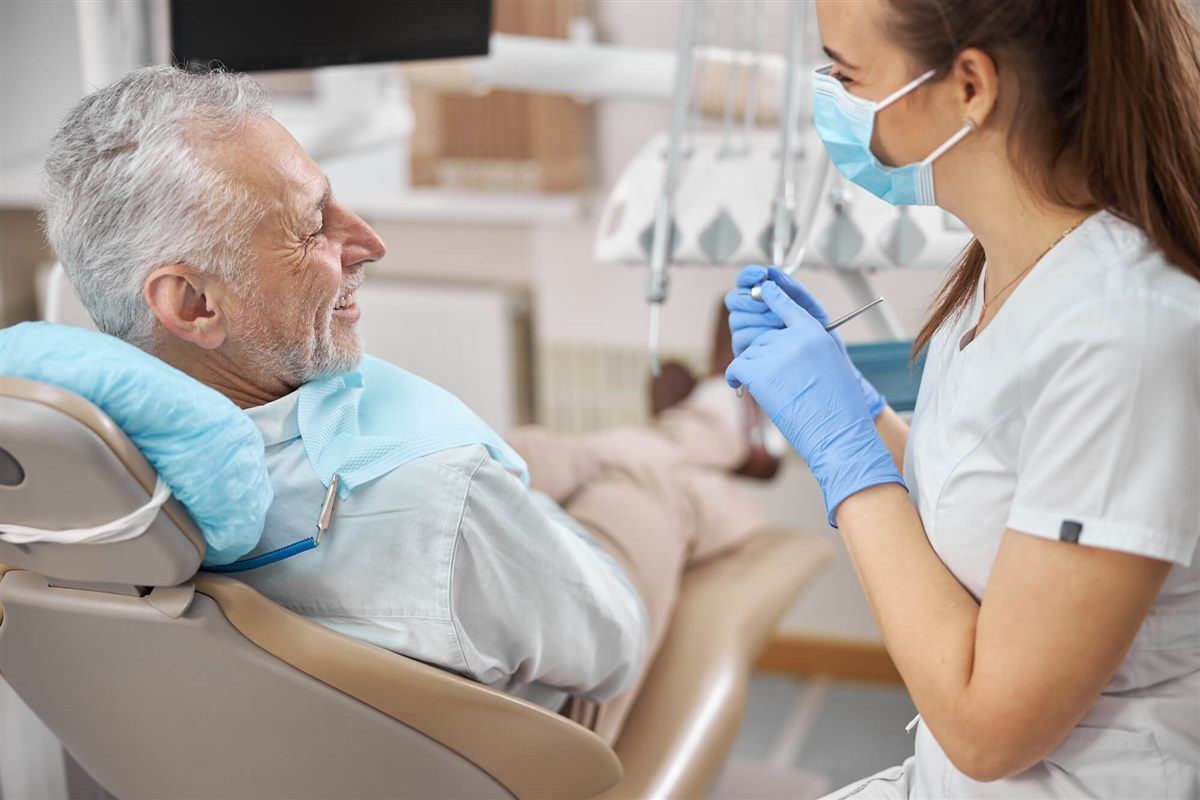
Dental implants restore your smile and improve oral health, but keeping them strong requires more than the procedure itself. Regular care from a trusted professional is essential. Visiting a dentist helps monitor implant health, prevent complications, and support long-term success. Here’s why staying connected with your dentist after implant placement is one of the smartest investments you can make in protecting your smile.
Why Ongoing Dental Visits Matter After Implants
Preventing Complications Before They Start
Once your dental implants are placed, consistent monitoring becomes vital. Plaque and bacteria can accumulate around the implant just as they do around natural teeth, creating a risk for infection and inflammation.
Without proper intervention, these conditions can develop into peri-implantitis, a serious problem that threatens the stability of your implant. During routine checkups, your dentist can remove harmful buildup, spot early warning signs, and recommend targeted treatments if needed.
Professional cleanings, personalized oral hygiene advice, and timely maintenance visits all work together to protect your implants from unnecessary risks.
Monitoring Gum Health
Healthy gums are the essential framework that supports dental implants. At each dental visit, your dentist carefully examines the soft tissue around the implants for signs of redness, swelling, or recession.
Special attention is given to detecting early stages of peri-implantitis, allowing for immediate treatment before the infection can progress. By keeping the gums firm, pink, and infection-free, you help maintain the secure attachment between your implant and the surrounding tissues.
Maintaining the Supporting Bone Structure
Your jawbone provides the solid foundation that keeps implants strong and stable over time. Dental implants rely on the process of osseointegration, where the bone fuses naturally with the implant surface.
Regular dental exams often include X-rays to monitor bone levels and ensure the bone remains dense and supportive. If early signs of bone loss appear, your dentist can recommend preventive therapies, such as bone grafting procedures or changes in oral hygiene practices, to preserve the implant’s longevity and functionality.
What Happens During an Implant Maintenance Visit
Thorough Examination of Implants and Surrounding Tissues
Each visit begins with a careful visual and tactile inspection of your implants and gums, checking for signs of swelling, infection, or shifting.
Professional Cleaning with Implant-Safe Tools
Dental implants require special cleaning instruments to avoid scratching their surface. Your dentist or hygienist uses non-metallic tools designed for implant care, gently removing plaque and bacteria buildup.
X-Rays to Monitor Bone Health
Depending on the situation, periodic radiographs may be taken to ensure your jawbone remains strong and well-integrated with the implants.
Review of Home Care Practices
Your dentist will also review your home care techniques and offer personalized advice on brushing, flossing, and using the right products to support implant health.
Warning Signs Your Dentist Watches For
Detecting problems early is one of the most important ways to protect your dental implants. During each visit, your dentist carefully examines your implants, surrounding gums, and jawbone for any subtle changes that could signal the beginning of complications.
Your dentist keeps an eye out for:
- Redness or Swelling: Often the first visible signs of inflammation, which can indicate infection or irritation around the implant.
- Bleeding on Probing: Bleeding during a gentle examination may suggest the presence of harmful bacteria, requiring targeted treatment.
- Gum Recession: When gum tissue pulls away from the implant, it can expose parts of the structure and create vulnerable areas prone to infection.
- Mobility: Any movement of an implant or the surrounding restoration is a serious warning sign that the underlying bone may be compromised.
- Changes in Bone Density: Regular X-rays help monitor the jawbone for early bone loss, allowing your dentist to recommend preventive treatments if needed.
At-Home Habits Recommended by Your Dentist
While professional dental visits are essential, daily home care is equally important in protecting your dental implants. Your dentist may recommend:
- Brushing Twice a Day: Use a soft-bristle toothbrush and non-abrasive toothpaste to clean around your implants without scratching the surfaces or irritating the gums.
- Daily Flossing: Specialized floss or water flossers are designed to clean gently around implants, removing food particles and plaque from hard-to-reach areas.
- Using Antimicrobial Mouth Rinses: Rinsing with dentist-recommended products can help reduce bacteria and support a healthy environment around the implant.
- Limiting Hard or Sticky Foods: Chewing hard candies, ice, or sticky foods can place excessive pressure on the implant crown, risking damage.
- Quitting Smoking: Smoking restricts blood flow to the gums and significantly increases the risk of implant failure.
Lifestyle Changes That Support Dental Implant Success
Small daily choices can make a lasting impact on the success of your dental implants:
- Eating a Balanced Diet: Choose foods high in calcium, vitamin D, and lean proteins to strengthen bones and gums.
- Reducing Sugar Intake: Limiting sweets lowers the risk of bacterial buildup and infection.
- Staying Well Hydrated: Water helps maintain saliva flow, which naturally protects oral tissues.
- Managing Stress: A calm immune system heals better and fights infections more effectively.
- Prioritizing Sleep: Good sleep supports immune health, tissue healing, and overall well-being.
Partnering With Your Dentist for Lifelong Implant Success
Dental implants are built to last, but their long-term success depends on regular monitoring, professional cleanings, and early intervention when needed. Working closely with your dentist ensures:
- Early detection of issues
- Customized advice for home care
- Ongoing protection for gums and bone
- Support for a beautiful, healthy smile year after year
Building a strong relationship with your dental care team is one of the best investments you can make in your oral health.
Related care at our practice:
Related articles

Questions about your periodontal or implant care?
Our board-certified periodontists are here to help.