What Makes Dental Implants the Best Solution for Missing Teeth?
The Science Behind Dental Implants
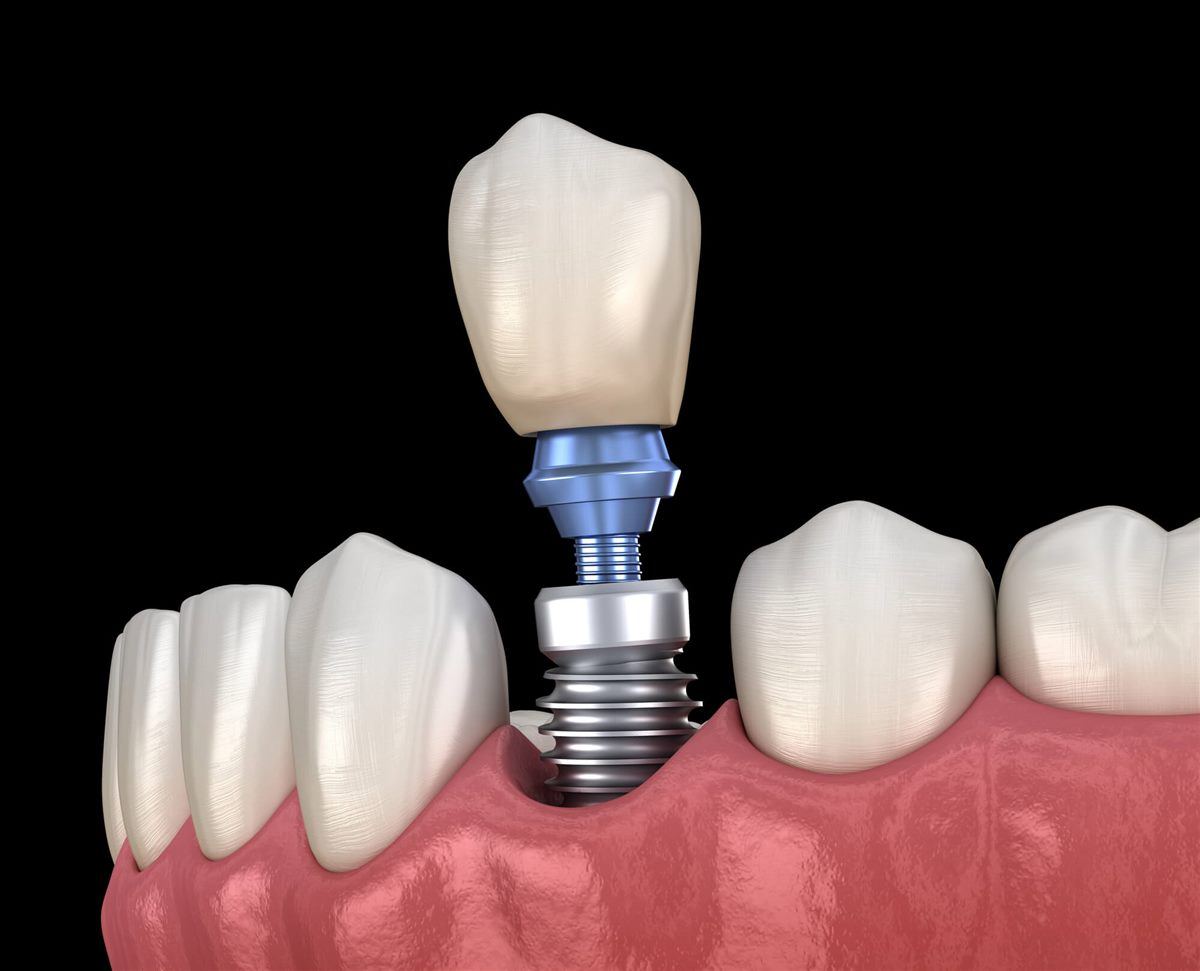
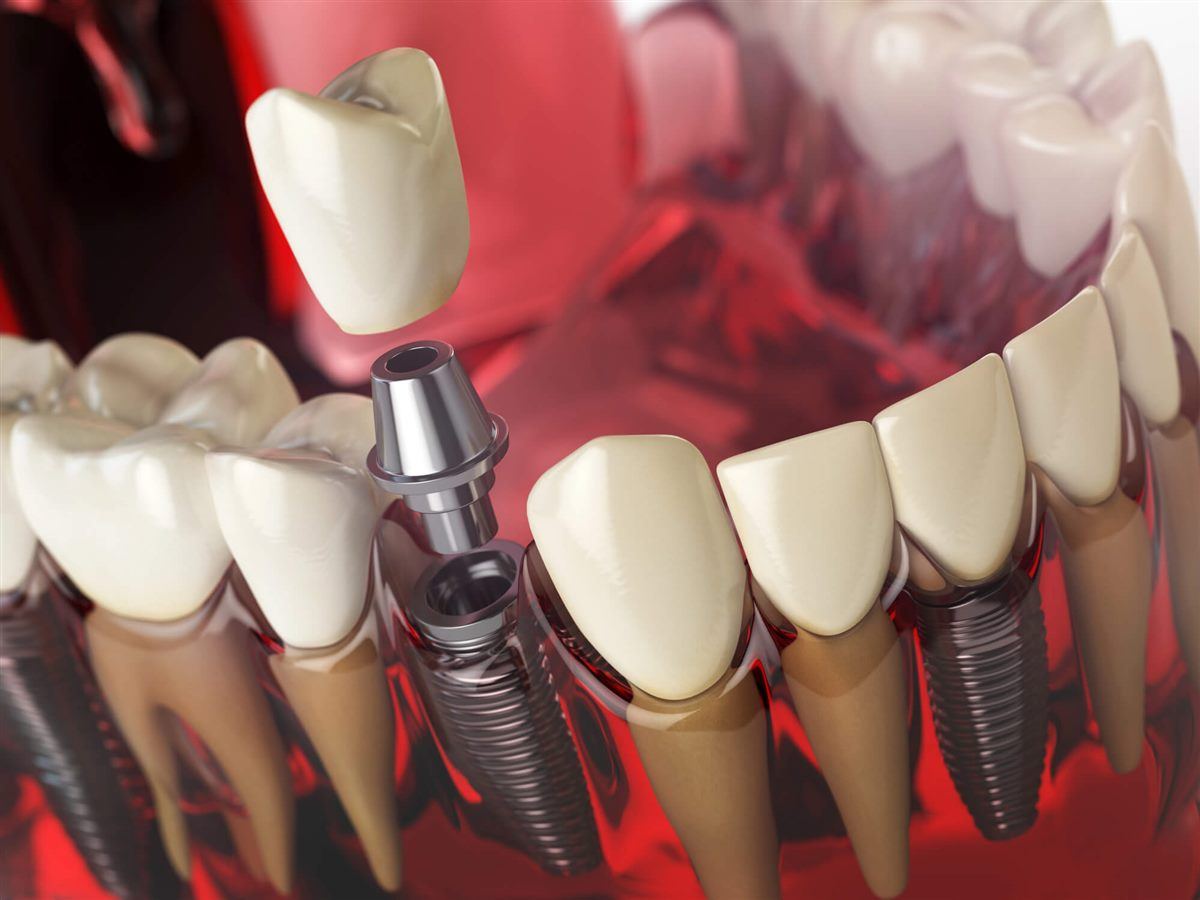
Dental implants consist of three key components: a titanium post, an abutment, and a crown. The titanium post is surgically embedded into the jawbone to serve as an artificial tooth root. The abutment connects the post to the crown, ensuring a secure fit. The crown is customized to match the size, color, and shape of your natural teeth, creating a seamless appearance that enhances your overall smile.
Step 1: The Initial Consultation and Evaluation
A Thorough Dental Examination
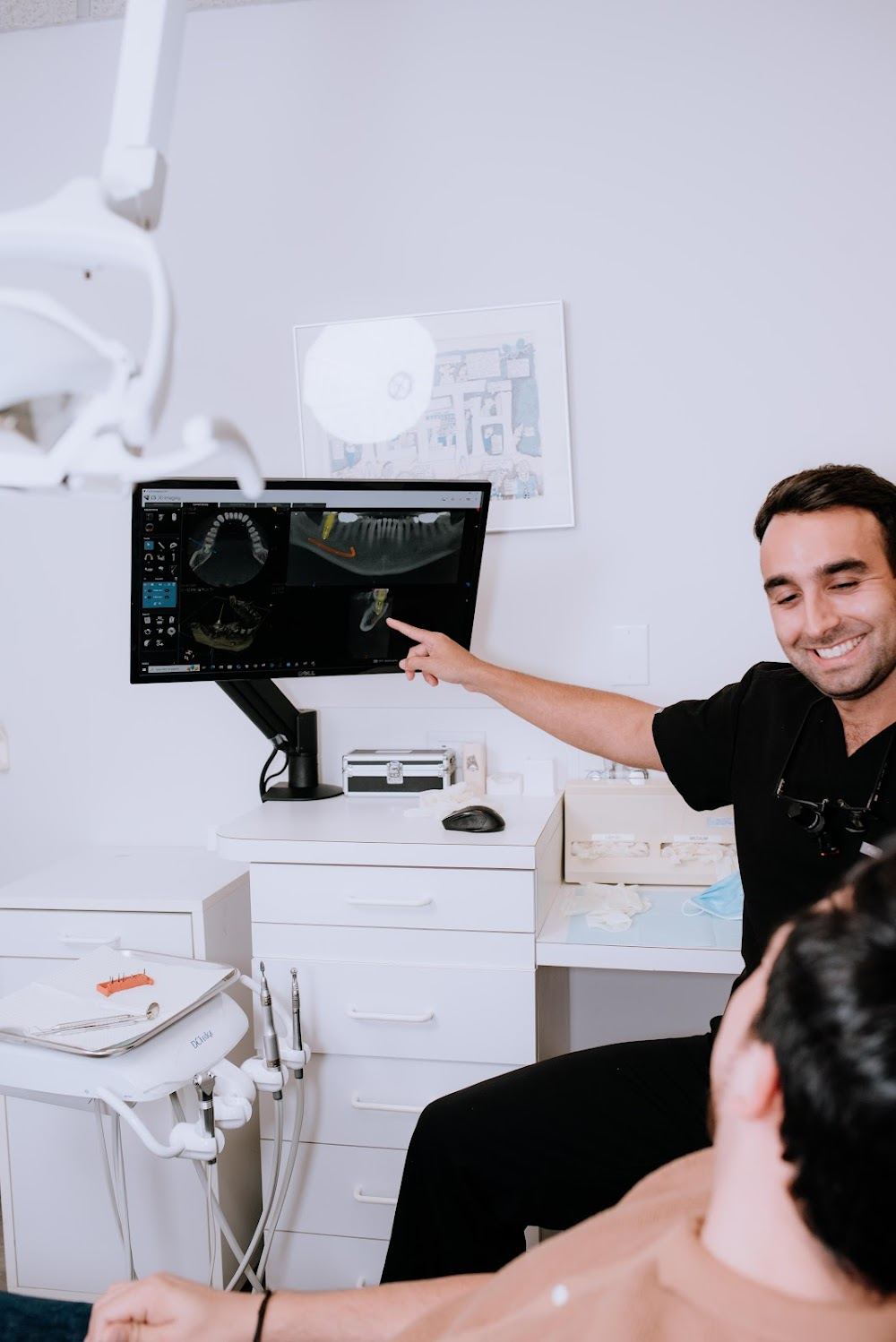
Your dentist performs an in-depth oral examination using digital X-rays or 3D imaging to evaluate jawbone density and gum health. These assessments determine whether your jaw can support an implant or if additional procedures are necessary.
Discussing Your Personalized Treatment Plan
This phase involves detailed discussions about cost, timeline, and any preparatory work needed, such as bone grafting or extractions. Your dentist outlines a plan tailored to your specific oral health needs.
Step 2: Preparatory Procedures (If Necessary)
Bone Grafting for Insufficient Jawbone
A strong jawbone is essential for implant success. A bone graft may be performed if your jaw lacks density due to prolonged tooth loss or gum disease. The procedure involves adding synthetic material, donor bone, or bone from your own body to strengthen the jaw. Healing can take several months, ensuring the implant has a stable foundation.
If the implant site has a damaged or decayed tooth, extraction is performed to create a clean, healthy environment for implant placement.
Step 3: Placing the Dental Implant
Surgical Placement of the Implant Post
The biocompatible titanium implant post is surgically placed into the jawbone under local anesthesia or dental sedation. This precise positioning ensures the implant integrates smoothly with the bone.
Healing and Osseointegration
Over three to six months, the jawbone grows around the implant in a process called osseointegration. This critical step creates the stability necessary to support a denture, bridge, or crown.
Step 4: Attaching the Abutment
What Is the Role of the Abutment?
The abutment acts as a connector between the implant and the final crown, ensuring the artificial tooth is securely attached and properly aligned with your natural teeth.
Placing the Abutment
After osseointegration is complete, a minor procedure exposes the implant and attaches the abutment. This step typically requires a healing period of a few weeks.
Step 5: Crafting and Placing the Crown
Customizing the Crown for a Natural Look
Your dentist takes impressions of your teeth to create a crown matching the shape, size, and color of your natural teeth. The goal is a seamless fit that blends perfectly with your smile.
Final Adjustments and Placement
Once the crown is ready, it is securely attached to the abutment. Necessary adjustments ensure the crown is comfortable and functions correctly.
Recovery and Aftercare for Dental Implants
Immediate Post-Surgery Care
After implant surgery, patients may experience mild swelling, discomfort, or bruising, which can be managed with prescribed pain relievers and a soft food diet.
Long-Term Maintenance for Your Implants
Caring for implants is similar to maintaining natural teeth. Brush and floss daily, use an antibacterial mouthwash, and schedule regular dental visits to keep your gums and implants healthy. With proper care, implants can last a lifetime.
Benefits of Choosing Dental Implants
Restored Functionality
Dental implants restore your ability to chew, speak, and smile with confidence, making them a practical and aesthetic choice.
Preventing Bone Loss
Unlike other tooth replacement options, implants stimulate the jawbone, preventing bone deterioration and preserving facial structure.
A Permanent, Natural-Looking Solution
Implants provide a durable solution that feels and looks just like natural teeth. With proper care, they offer unmatched longevity.
Common Questions About Dental Implants
Are Implants Suitable for Everyone?
Most adults in good health are candidates for dental implants. However, conditions like gum disease, smoking, or insufficient bone density may require additional treatment before implantation.
Is the Procedure Painful?
Thanks to modern anesthesia and sedation techniques, the procedure is virtually pain-free. Post-surgery discomfort is minimal and can be managed effectively.
How Long Does the Process Take?
The timeline varies depending on whether preparatory procedures like bone grafting are needed. On average, the full process takes four to nine months. Healing time is a key factor, as the jawbone needs to fully integrate with the implant during osseointegration.
Can Dental Implants Replace Multiple Teeth?
Yes, dental implants can replace multiple missing teeth. Options like implant-supported bridges or dentures allow several teeth to be restored using fewer implants, offering a stable solution for larger gaps in your smile.
What Is the Success Rate of Dental Implants?
Dental implants have a success rate of around 95 percent when placed by an experienced dentist and properly cared for. Factors like good oral hygiene, regular checkups, and avoiding smoking contribute to their long-term success.
Related care at our practice:
Related articles

Questions about your periodontal or implant care?
Our board-certified periodontists are here to help.