
Understanding the Foundation: Gums and Bone Matter
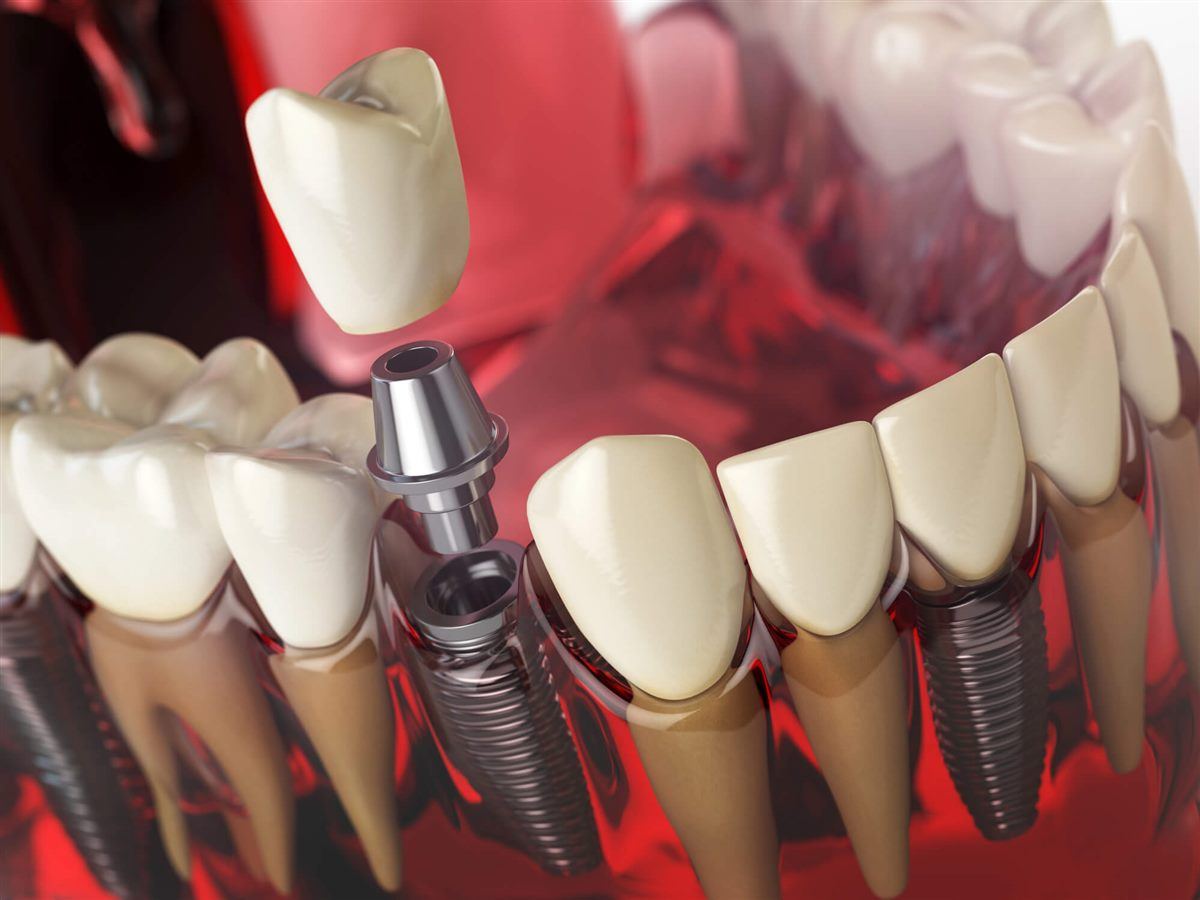
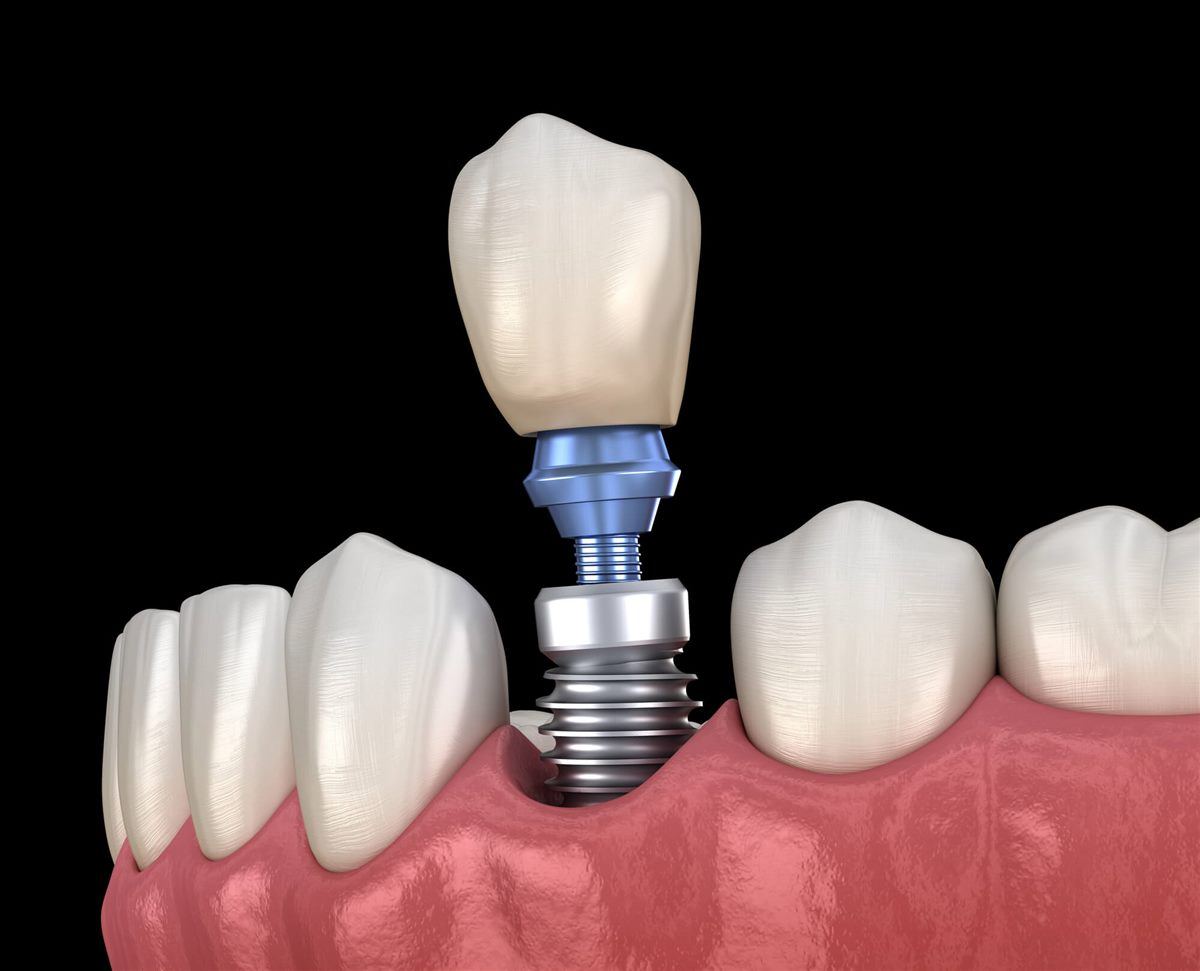
Dental implants integrate directly with the jawbone through a process called osseointegration, which is crucial for stability and functionality. This integration requires healthy, dense bone and firm, infection-free gums.
When periodontal disease is present, it can cause:
- Inflammation and infection of the gum tissue
- Loss of bone density and volume as the body attempts to fight bacteria
- Unstable conditions for implant placement
Without a stable environment, implants are much more likely to fail, resulting in discomfort, additional procedures, and increased expenses. Addressing gum health first dramatically improves implant success chances and long-term satisfaction.
Periodontal Disease and Its Impact on Dental Implants
Periodontal disease affects nearly half of adults over 30. In its earliest stage (gingivitis), symptoms like redness and swelling may seem minor. As it advances to periodontitis, it attacks supporting structures, including bone.
Unaddressed periodontal disease can cause major implant setbacks:
- Active infection can delay healing and lead to implant rejection
- Weakened bone cannot securely hold an implant in place
- Peri-implantitis, an infection around the implant, threatens implant viability
Patients who treat gum disease early and stabilize oral health before implant placement enjoy significantly higher success rates and fewer complications.
Steps a Periodontist Takes to Prepare You for Implants
Every patient’s mouth is unique. A trained periodontist creates the best possible environment for implant placement through several steps:
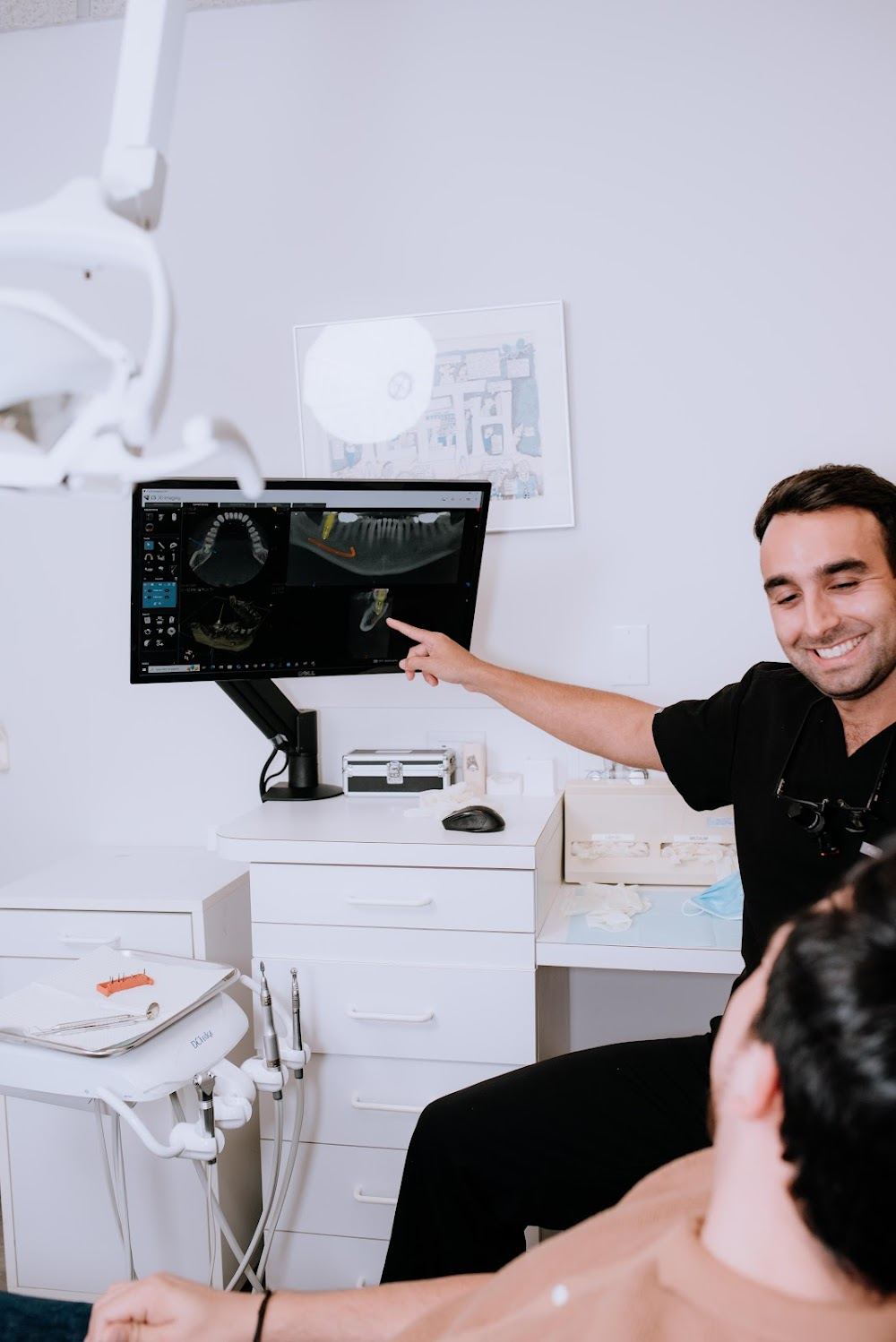
- Comprehensive Evaluation: Detailed review of oral health history, 3D imaging, and periodontal examination assess gum condition and bone levels.
- Treatment of Gum Disease: Deep cleaning methods like scaling and root planing remove infection beneath the gums. Advanced cases may require surgical therapies to rebuild tissue.
- Bone Grafting (if needed): Where bone loss has occurred, grafting materials stimulate new bone growth for implant support.
- Tissue Grafting (in some cases): If gum recession has compromised soft tissue, gum grafts create a healthier, fuller gum line around the implant.
- Personalized Implant Planning: Based on healing, bone regeneration, and gum health, a careful timeline is designed to optimize implant placement success.
The Importance of Long-Term Periodontal Maintenance
Maintaining dental implants is a lifelong commitment. Like natural teeth, implants require regular care to protect against plaque buildup and gum infections.
Periodontal maintenance visits usually involve:
- Professional cleanings tailored to implants
- Monitoring surrounding gum tissue health
- Checking for early signs of peri-implantitis or bone loss
- Reviewing home care techniques for optimal daily cleaning
Good at-home care includes brushing twice daily with a soft-bristle toothbrush, flossing with implant-safe tools, and using antimicrobial mouth rinses. Patients who prioritize maintenance enjoy healthier gums, more stable implants, and fewer costly repairs over time.
Additional Factors That Influence Implant Success
Beyond periodontal health, several factors influence long-term implant success:
- Smoking: Reduces blood flow and hinders healing, dramatically raising implant failure risk
- Diabetes: When uncontrolled, it impairs infection fighting and proper healing
- Medications: Certain drugs, especially those affecting bone density, require special planning considerations
- Oral Hygiene: Patients with strong, consistent home care habits achieve far better outcomes
Lifestyle Changes That Support Dental Implant Success
Small, consistent lifestyle habits significantly improve healing, strengthen bone structure, and support long-term success:
- Eat a Balanced Diet: Focus on calcium, vitamin D, and protein-rich foods to maintain strong bones and healthy gum tissue.
- Limit Sugary Foods and Drinks: Reducing sugar prevents bacterial buildup around implants, lowering infection risk.
- Stay Hydrated: Drinking water promotes saliva production, which naturally protects gums and implants.
- Manage Stress: High stress weakens the immune system, making healing and infection fighting harder for the body.
- Prioritize Quality Sleep: Good sleep boosts immune function, helping body recovery and healthy tissue maintenance.
How Periodontal Health Affects Your Overall Well-Being
Strong periodontal health supports overall health, not just your smile. Studies link untreated periodontal disease to broader health concerns:
- Increased risk of heart disease
- Worsened diabetic control
- Greater likelihood of respiratory infections
- Possible pregnancy complications
Investing in gum health before implant placement is a health-conscious choice that improves quality of life. Ensuring your mouth is infection and inflammation-free supports better systemic health, reduced healthcare costs, and a stronger, more resilient body.
Related care at our practice:
Related articles
Questions about your periodontal or implant care?
Our board-certified periodontists are here to help.