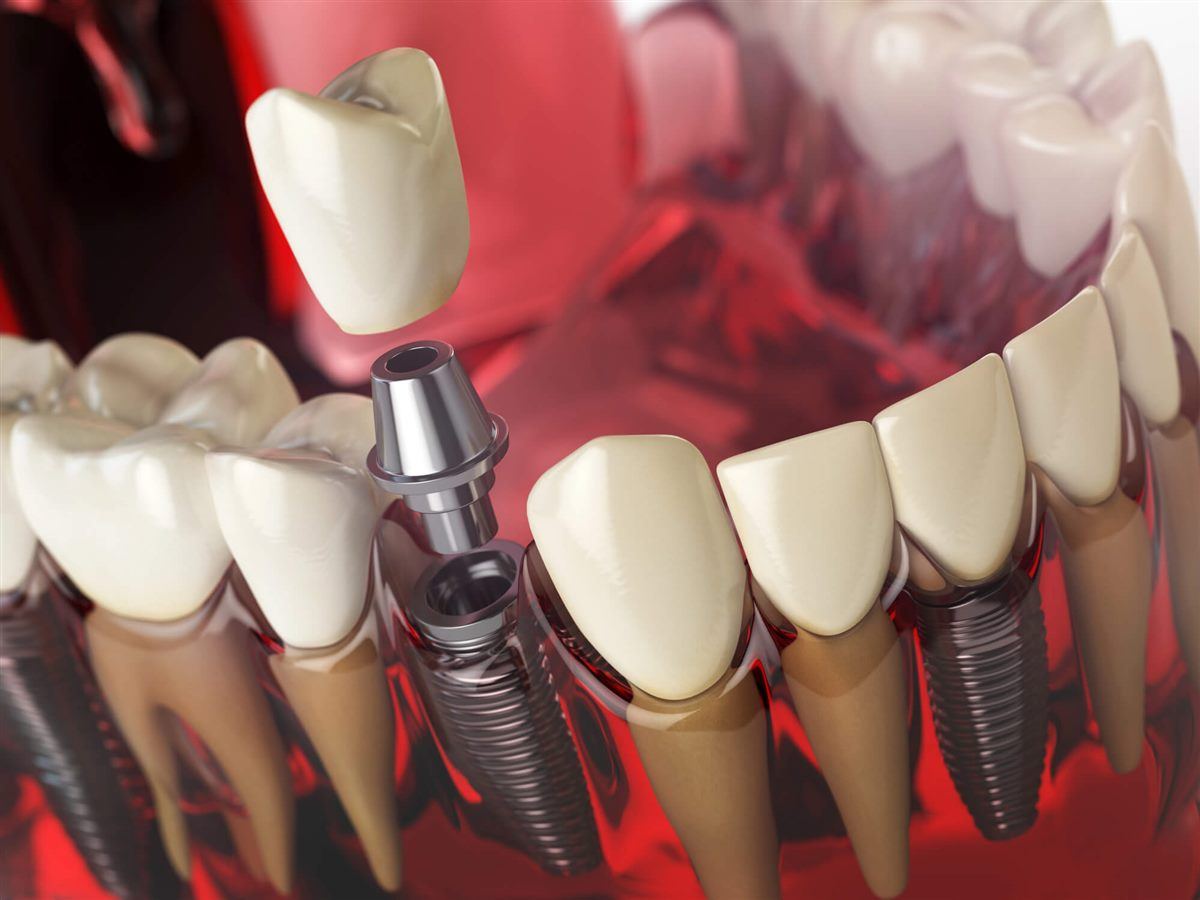
Why Health Matters for Dental Implant Success
Dental implants involve oral surgery, healing time, and bone integration. Your body must be in a state where healing is predictable, infection risk is low, and bone can adequately support the implant structure. Dentists and periodontists assess your overall health because rushing into surgery could lead to complications. They evaluate your immune system, medications, bone density, and more.
Common Medical Concerns
Diabetes and Blood Sugar Management
Uncontrolled diabetes interferes with your ability to heal after surgery. High blood sugar affects circulation, slows tissue repair, and increases infection risk.
For patients with Type 1 or Type 2 diabetes, it is not an automatic disqualification. Your dentist will confirm your condition is well-managed, which may include speaking with your primary doctor, reviewing recent bloodwork, or adjusting the procedure timing. Controlled diabetes typically means approval, with extra precautions built into the care plan.
Smoking and Tobacco Use
Smoking is one of the top reasons dentists delay implant procedures. Tobacco affects blood vessels that deliver oxygen and nutrients to your gums and jawbone, slowing osseointegration (where the implant fuses to bone) and increasing implant failure risk.
If you smoke regularly, your dentist may require you to quit well before and after the procedure. For patients who stop smoking months before surgery, long-term implant stability odds improve significantly.
Certain Heart Conditions
People with heart conditions—especially valve replacements, arrhythmias, or recent cardiac events—need extra precautions. Implant procedures involve local anesthesia and sometimes mild sedation.
Your dentist or surgeon must coordinate with your cardiologist to ensure you are cleared for surgery. Antibiotics may be prescribed preventively. While heart conditions do not always prevent implants, they may delay timing or require treatment plan modifications.
Osteoporosis and Bone Health
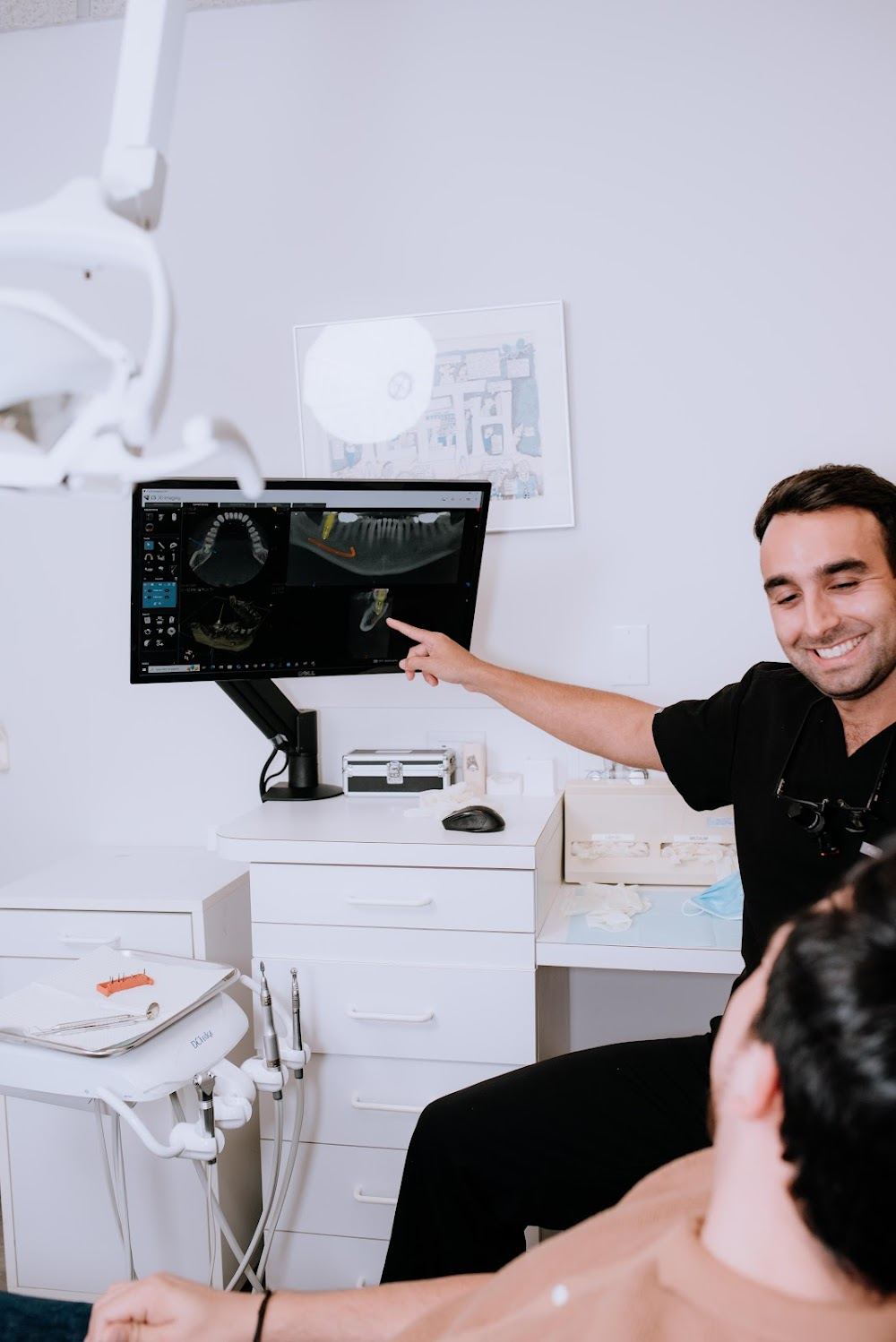
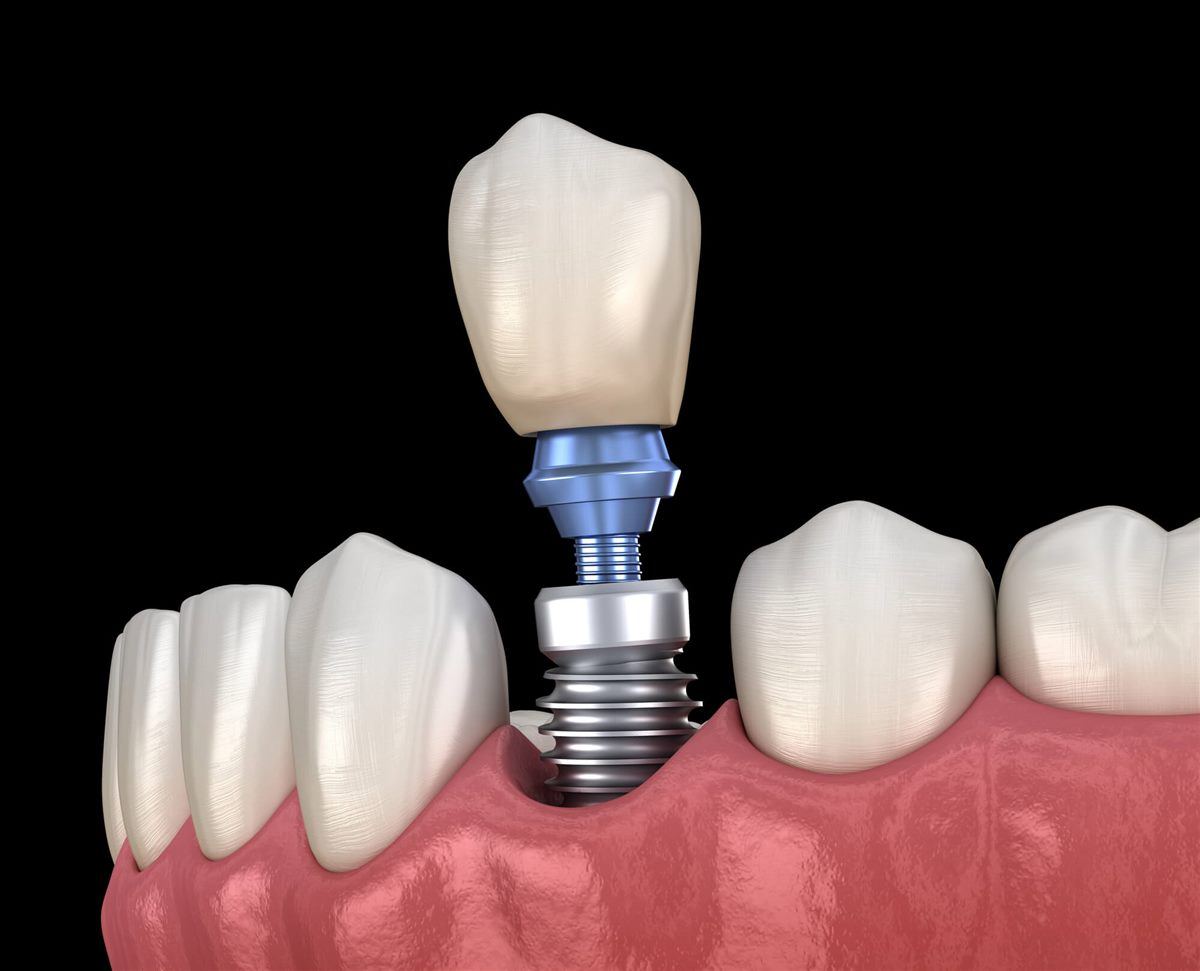
Implants rely on strong jawbone to anchor the titanium post. If you have osteoporosis or low bone density, your dentist will carefully assess bone levels using CT scans or panoramic X-rays to determine if sufficient structure exists.
If bone is inadequate, your provider may recommend a bone graft before proceeding. Medications like bisphosphonates used to treat osteoporosis can interfere with bone healing, so your medical history receives careful review.
Autoimmune Disorders
Conditions like rheumatoid arthritis, lupus, or multiple sclerosis can affect healing and increase infection risk. These disorders may be managed with immune-suppressing medications that impact post-surgical recovery.
Your dentist may consult with your specialist to determine if your immune system is stable enough for surgery. Additional planning like pre-treatment antibiotics or modified surgical techniques can make implants a safe option, even with complex health backgrounds.
Recent Cancer Treatment
Patients who underwent chemotherapy or radiation, especially to the head or neck, may need extra time before pursuing implants. Radiation weakens jawbone structure, and chemotherapy affects the immune system’s healing ability.
Your oncologist and dentist will work together to decide when your body is ready. Once your team approves, implant procedures can move forward in a more predictable, controlled manner.
Active Gum Disease
While not a systemic condition, gum disease significantly impacts implant success. Periodontal infections weaken supporting tooth structures—if those tissues are not healthy, they cannot support an implant either.
If your dentist identifies infection or inflammation signs, they will recommend periodontal treatment before scheduling implant surgery. Once gums are healthy and inflammation is controlled, implants become a safer, more stable option.
How Your Dentist Helps You Prepare
Being told you are not ready for implants is not rejection—it is part of good care. Your dentist wants the implant to last by helping you get medical conditions under control, strengthen bone, or allow healing time.
They may coordinate with your medical team, suggest lifestyle changes, or recommend a short delay to increase success chances. This stage is preparation, not rejection. With the right steps in place, most patients who face delays eventually move forward safely with excellent results.
Related care at our practice:
Related articles

Questions about your periodontal or implant care?
Our board-certified periodontists are here to help.