Why Implant Readiness Matters
Dental implants depend on a healthy foundation to remain strong and functional. Your gums and jawbone must be in good condition, and any existing dental issues should be addressed before placement. Skipping these preparatory steps risks your investment and may lead to complications.
1. Gum Health: The Base for Long-Term Success
Healthy gums are essential for dental implants. Inflammation, bleeding, or gum disease symptoms require attention beforehand. Gum infections can compromise healing and cause bone loss around the implant later.
Mild gum concerns may be managed with deep cleaning or localized treatments. Advanced cases might need periodontal therapy. Your periodontist will assess your gum condition and recommend a plan to restore health before implant placement.
2. Bone Volume: Is There Enough Support?
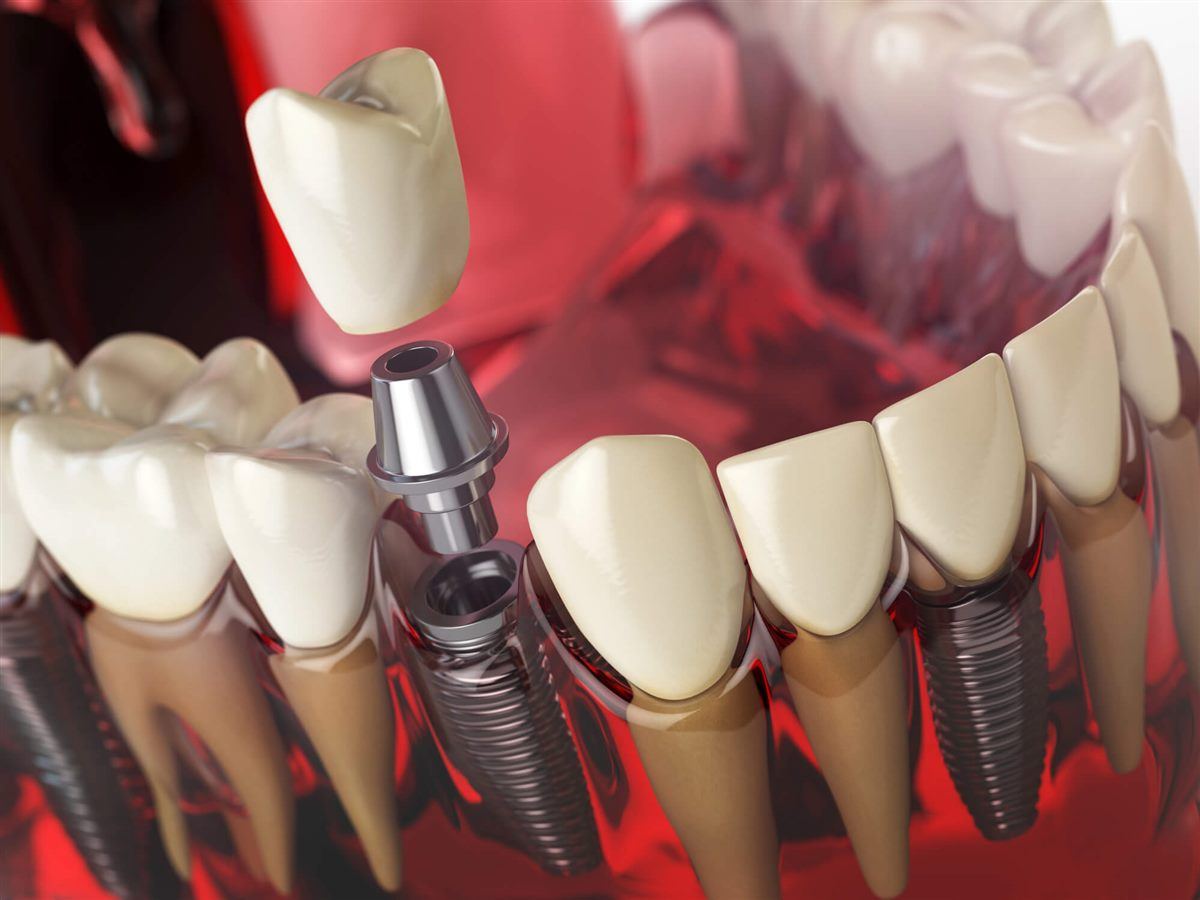
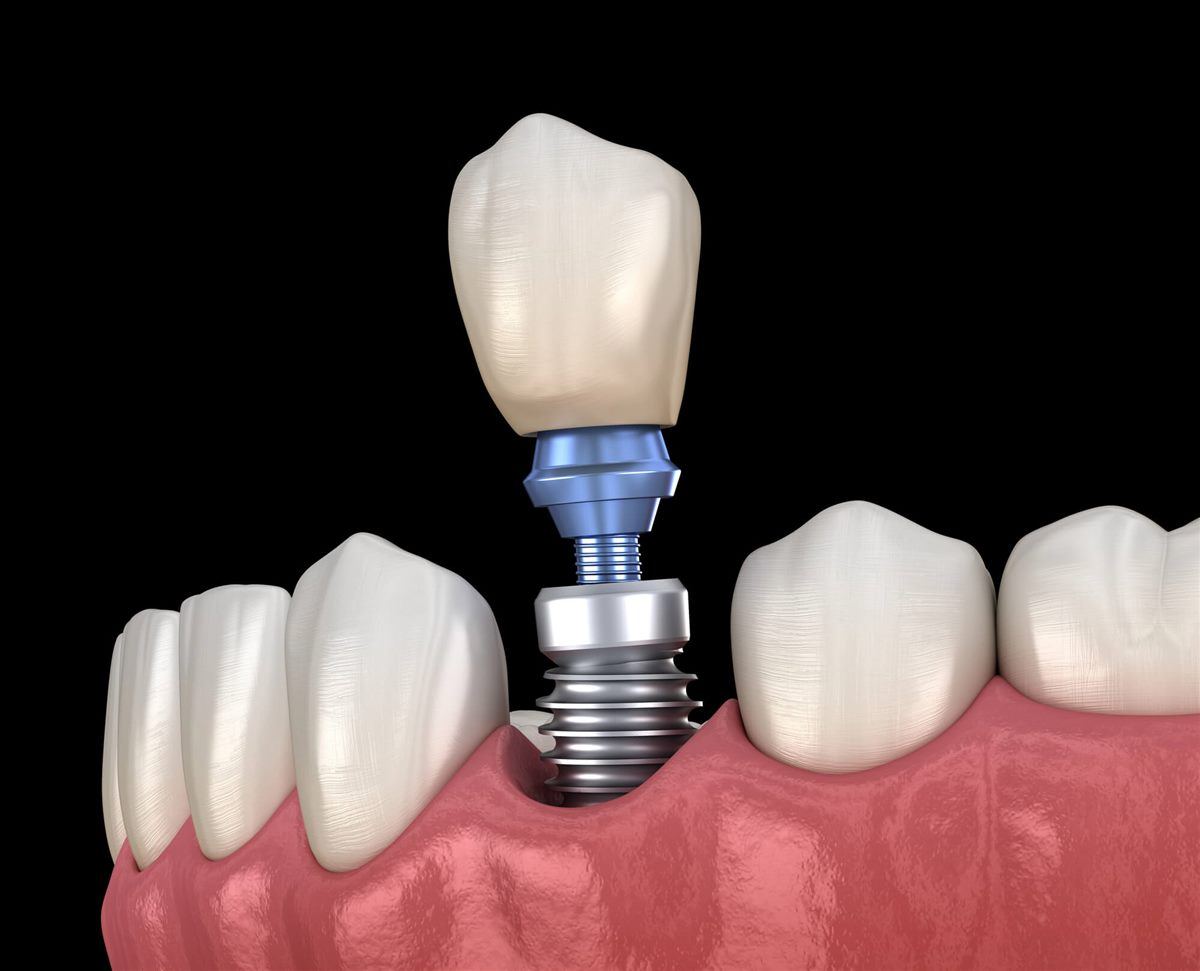
Dental implants function like artificial roots and require solid bone for stability. If you’ve had a missing tooth for an extended period, some jawbone density has likely been lost in that area. This is common and doesn’t automatically disqualify you.
Your provider may suggest a bone graft to build up the area. This can occur before or during implant surgery, depending on the bone needed. Imaging scans determine bone thickness and density.
The grafting process involves adding natural or synthetic bone material to strengthen the implant site. Healing typically takes several months but establishes the groundwork for long-term stability. In some cases, platelet-rich plasma (PRP) may speed recovery and promote healthy bone growth.
3. Oral Habits That Affect Implant Success
Daily habits significantly influence implant healing and longevity. Smoking reduces blood flow and increases infection risk. If you smoke, quitting—at least during healing—is strongly recommended.
Teeth grinding poses another concern. The extra pressure can cause implants to loosen or fail. If you clench or grind your teeth, your dentist may recommend a nightguard for protection.
Maintaining consistent oral hygiene is also critical. Brushing twice daily, flossing, and attending regular cleanings reduce peri-implant problems. While implants don’t decay like natural teeth, plaque buildup and poor habits still affect surrounding gums and bone.
4. Pre-Existing Health Conditions
Overall health plays a significant role. Conditions like diabetes or autoimmune disorders don’t automatically exclude you from dental implants. However, they can slow healing and increase risk. Well-managed health conditions paired with good oral hygiene improve success likelihood.
Share your complete medical history during consultation. This helps your provider make informed decisions and create a tailored treatment plan. Adjustments to medications or care routines may support better surgical outcomes.
5. Medications and Medical History
Certain medications, especially those affecting bone metabolism like bisphosphonates, may influence implant healing. Inform your dentist about all prescriptions and supplements, regardless of perceived significance.
Your medical team might coordinate with your physician to confirm candidacy. Adjusting plans before surgery prevents complications. Timing procedures around your general health greatly improves implant healing predictability.
6. Tooth Position and Bite Alignment
Sometimes spacing of existing teeth affects implant placement rather than oral health. If nearby teeth have shifted into the empty space, insufficient room may exist for an implant. Orthodontic treatment or reshaping adjacent teeth can correct this.
Your bite also matters. Misaligned upper and lower jaws affect implant function. Bite analysis ensures your restoration won’t experience uneven force or wear. Minor corrections or splinting distribute pressure more evenly, reducing implant stress.
7. Previous Dental Work
Existing crowns, bridges, or older restorations near the implant site may require updating or adjustment. Your periodontist will evaluate how previous dental work interacts with the new implant plan, preventing interference or future complications.
Careful planning around past procedures ensures compatibility with your new restoration. In some cases, combining treatments into a staged plan may prove most effective.
What to Expect at Your Implant Evaluation
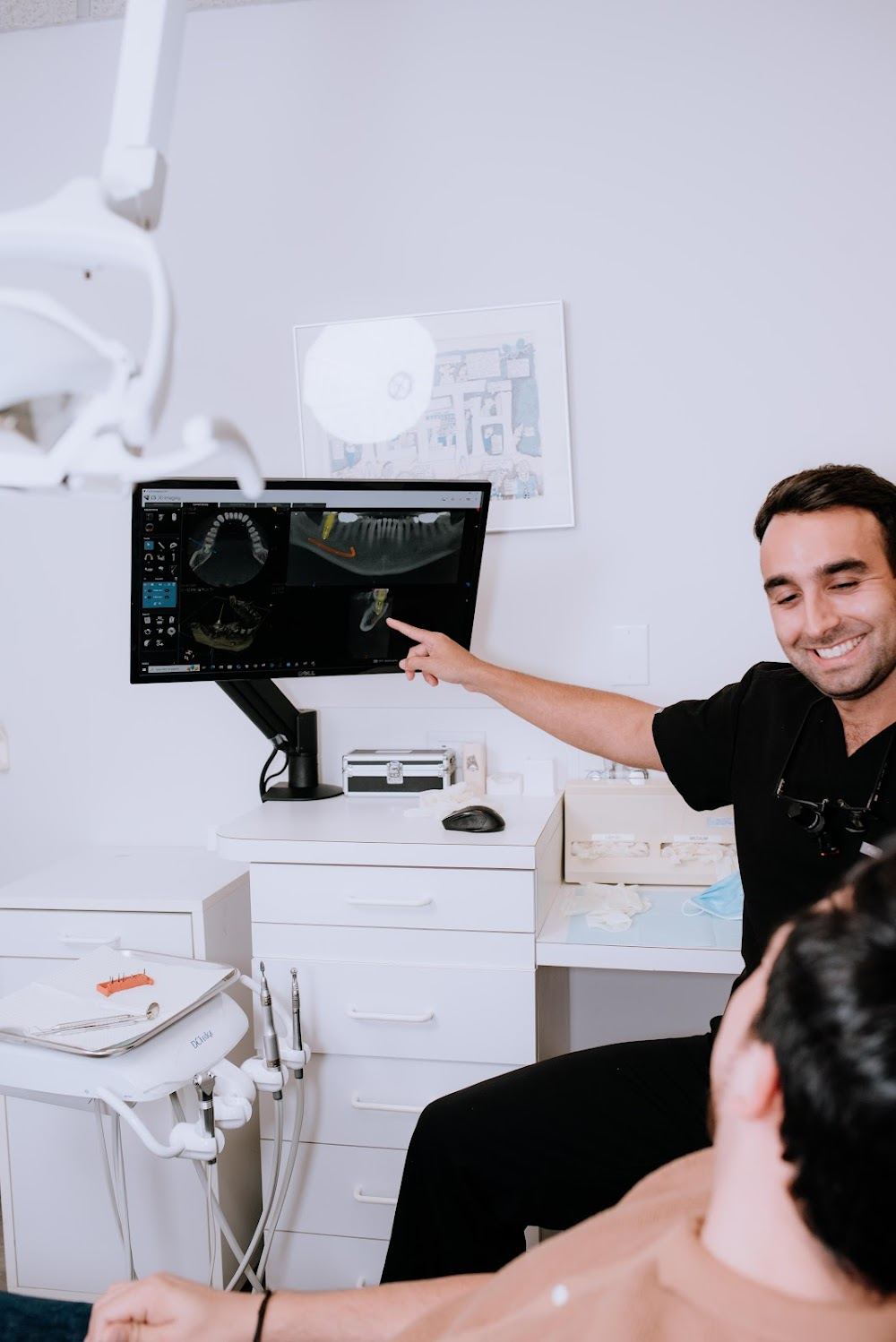
During your consultation, your periodontist reviews medical history, assesses gum and bone health, and takes detailed mouth images. You might undergo digital scans, X-rays, or 3D cone beam CT for clear bone structure visualization.
Your provider evaluates bite, checks adjacent tooth position, and looks for inflammation or instability signs. This appointment is ideal for asking questions and clarifying next steps.
A personalized treatment plan follows. Preparatory procedures like bone grafting or gum therapy are scheduled first if needed. Some patients move directly to implant placement, while others require preliminary visits.
The Bottom Line: Don’t Rush the Process
Dental implants represent a long-term investment. Ensuring your mouth is ready before the procedure minimizes complications and enhances results. Any issues discovered during evaluation aren’t obstacles—they’re opportunities to address concerns now so your implant lasts for years.
Related care at our practice:
Related articles

Questions about your periodontal or implant care?
Our board-certified periodontists are here to help.