Considering dental implants to replace missing teeth is a major decision that can significantly improve your oral health, appearance, and quality of life. However, many patients wonder if they’re suitable candidates for this transformative procedure. Factors like oral health, bone density, lifestyle habits, and overall health all play a role in determining eligibility.
Key Factors That Determine Your Eligibility for Dental Implants
Oral Health Condition
A strong foundation is essential for the success of dental implants, and that starts with healthy gums and teeth. Your dentist will thoroughly assess your mouth for issues like gum disease, cavities, or other infections.
Why it Matters: Gum disease can weaken the supporting structures around the implant, leading to complications like implant failure.
Solution: If any oral health issues are present, your dentist will recommend treatments such as deep cleanings, fillings, or periodontal therapy to address these concerns before proceeding with implants. Ensuring your mouth is in optimal health increases your chances of implant success dramatically.
Bone Density and Jaw Health
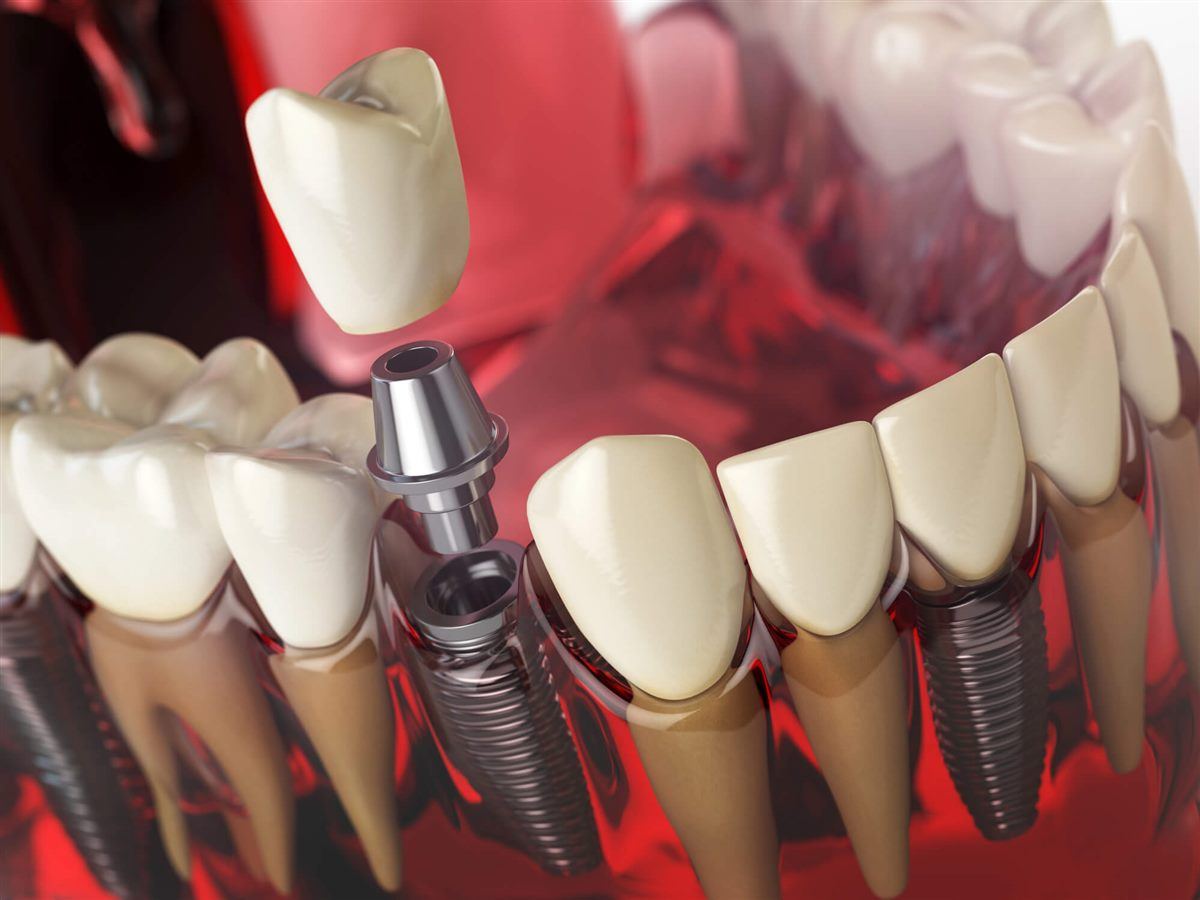
One of the most critical factors in determining implant eligibility is the condition of your jawbone. Dental implants require sufficient bone density and volume to securely anchor the titanium post.
Why it Matters: When a tooth is lost, the surrounding bone begins to deteriorate over time. The implant may not integrate properly without enough bone, resulting in instability.
Solution: If you’ve experienced bone loss, a bone grafting procedure may be recommended. Bone grafts rebuild and strengthen the jaw, creating a solid foundation for the implant. Advanced techniques like zygomatic implants may be used as alternatives in some cases.
Overall Health
Your overall health is a significant factor in determining your suitability for dental implants. Certain medical conditions or lifestyle habits can impact your ability to heal and maintain the implants.
Medical Conditions: Uncontrolled diabetes, autoimmune disorders, and osteoporosis can slow healing and increase the risk of infection. However, these conditions don’t necessarily rule out implants if they are well-managed.
Lifestyle Habits: Smoking is a major concern as it reduces blood flow to the gums, impairing healing and increasing the likelihood of implant failure.
Solution: Your dentist may recommend steps such as smoking cessation programs or coordinating care with your primary physician to ensure your overall health is optimized before the procedure.
Age Considerations
Dental implants are generally suitable for adults of all ages, but there are specific considerations based on the patient’s stage of life.
Younger Patients: Dental implants are typically not recommended for teenagers or young adults whose jaws are still developing. Placing implants in a growing jaw can lead to complications such as misalignment over time.
Older Patients: There is no upper age limit for implants. Many older adults find dental implants to be a life-changing solution, restoring both function and confidence.
Commitment to Oral Hygiene
Long-term success with dental implants depends on your ability to maintain excellent oral hygiene.
Why it Matters: Poor hygiene can lead to peri-implantitis, a gum disease specific to implants, which can cause inflammation and eventual implant failure.
Solution: Regular brushing, flossing, and routine dental checkups are essential to prevent plaque buildup and maintain gum health around the implant. Your dentist may also recommend special tools like interdental brushes or water flossers for optimal care.
Solutions for Common Barriers to Dental Implants
Not everyone meets all the criteria for dental implants immediately, but modern dentistry offers solutions to overcome many common barriers:
- Bone Grafting: This procedure helps rebuild lost bone tissue, enabling patients with insufficient bone density to receive implants.
- Sinus Lifts: For patients requiring implants in the upper jaw, a sinus lift can create additional space and support for the implant.
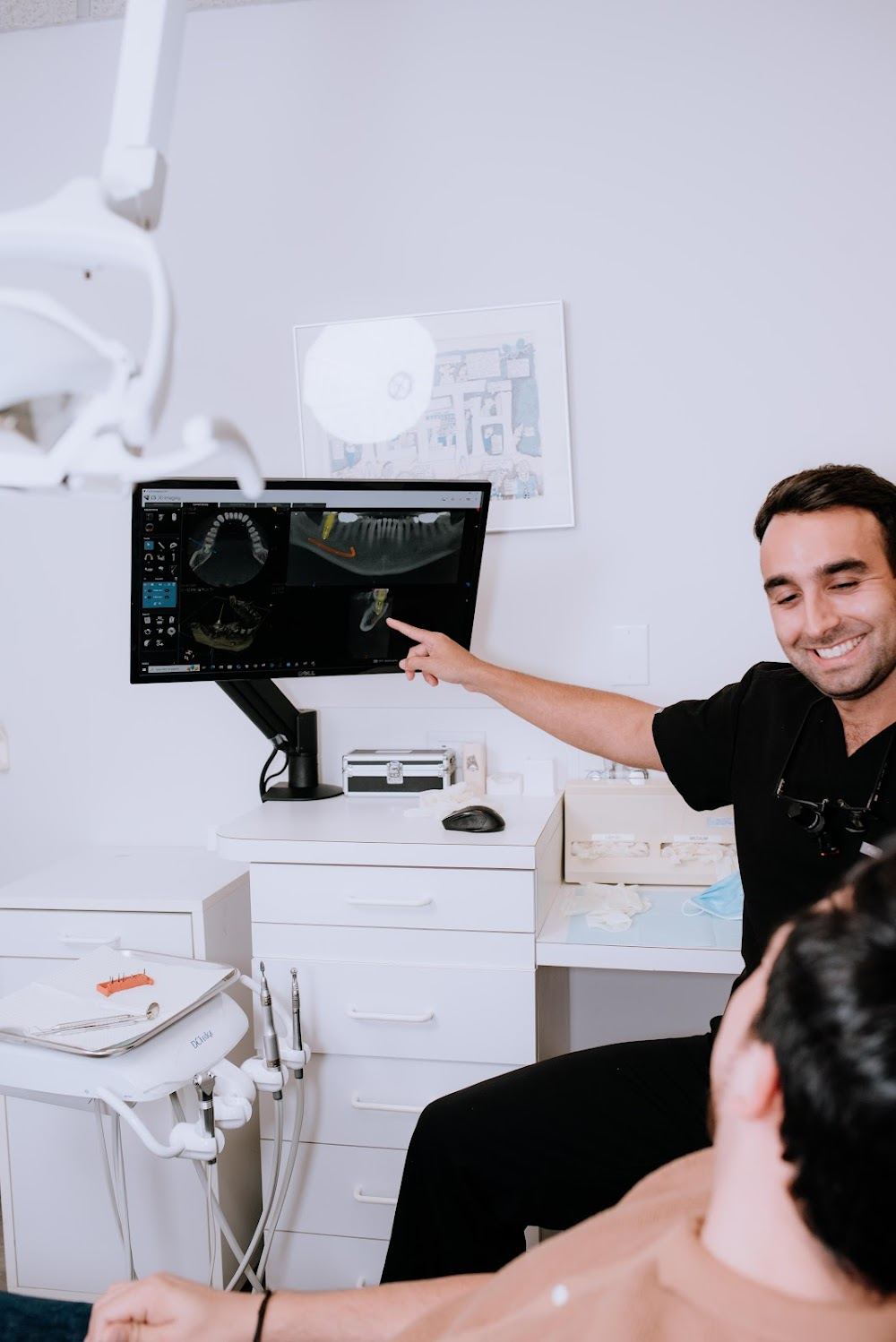
- Guided Implant Surgery: Using digital imaging and computer-guided techniques, dentists can place implants with precision, even in challenging cases.
Advantages of Dental Implants
Dental implants stand out as the gold standard for tooth replacement, offering several benefits that make them superior to traditional solutions like dentures or bridges:
- Durability: Dental implants are designed to last for decades, providing a permanent solution with proper care.
- Natural Look and Feel: Implants closely resemble natural teeth in both appearance and function, allowing you to chew, speak, and smile confidently.
- Preserve Jawbone Health: Unlike dentures, implants stimulate the jawbone, preventing bone loss and preserving your facial structure.
- Convenience: Implants eliminate the need for adhesives or special cleaning routines associated with dentures.
Common Myths About Dental Implants
Myth 1: Dental Implants Are Painful
Modern implant procedures are performed with advanced sedation and anesthetic techniques, ensuring minimal discomfort during and after surgery.
Myth 2: Implants Are Too Expensive
While the upfront cost may seem high, implants are a long-term investment that can save you money on future dental work.
Myth 3: Implants Are Only for Younger Patients
Dental implants are suitable for healthy adults of any age, provided they meet the necessary criteria.
Myth 4: Implants Are Noticeable
Implants are custom-designed to match the size, shape, and color of your surrounding teeth, ensuring a seamless and natural appearance. Most people won’t even realize you have an implant.
Myth 5: The Recovery Process Is Too Long
While recovery times can vary, most patients find the process manageable and worth the effort. Advances in technology, like same-day implants, have also reduced the overall treatment time for many patients.
Related care at our practice:
Related articles

Questions about your periodontal or implant care?
Our board-certified periodontists are here to help.