Dental Implants: A Long-Lasting Option
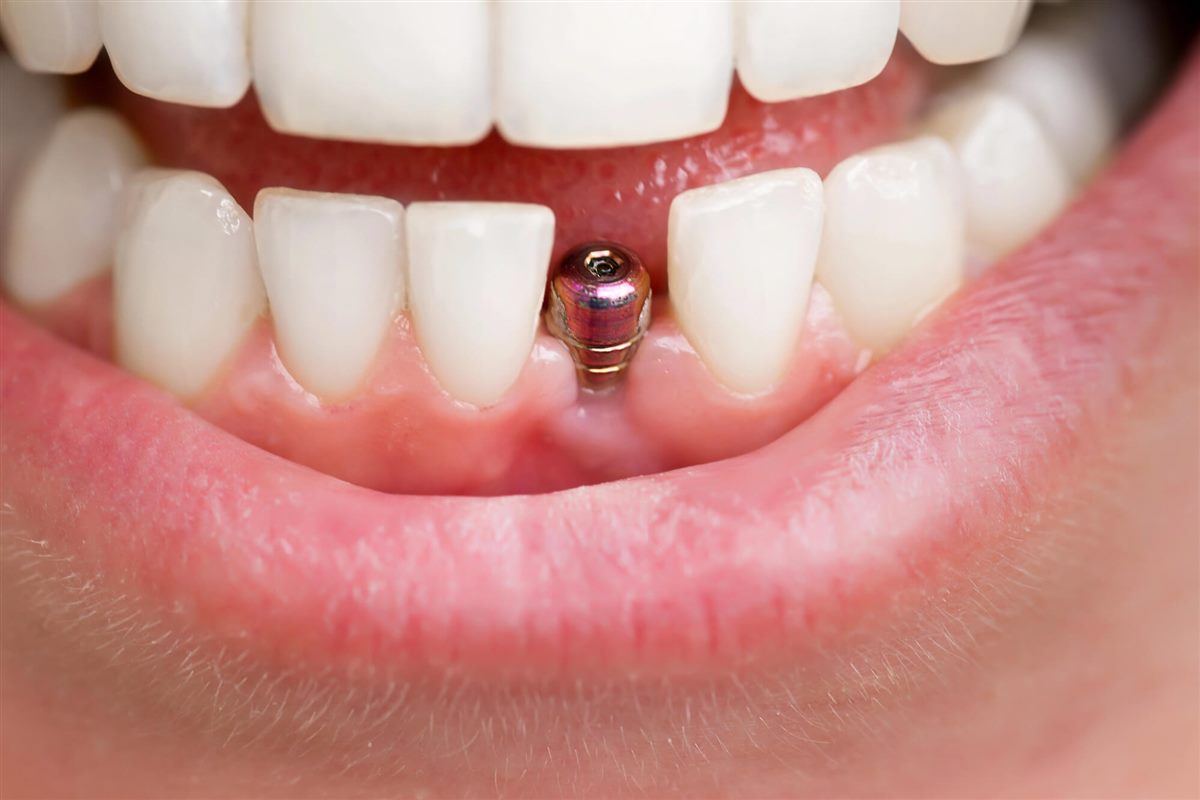
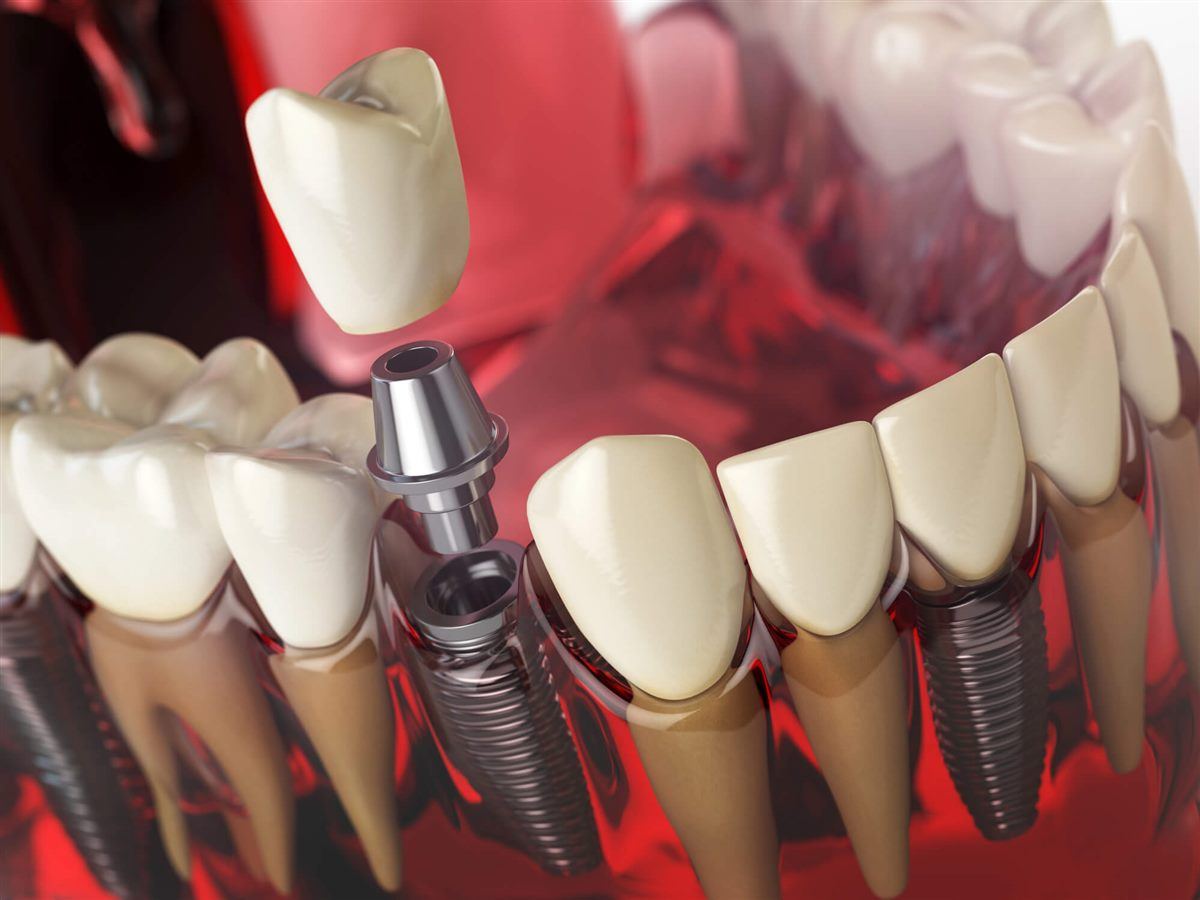
Dental implants are titanium posts surgically placed into the jawbone to act as artificial tooth roots. They support crowns, bridges, or full-arch prosthetics, providing stable and long-lasting replacement for missing teeth.
Over time, implants fuse with the bone through a process called osseointegration, making them durable and natural-feeling. This fusion helps preserve jawbone structure and prevents deterioration that often occurs with missing teeth. Unlike dentures, implants require no adhesives and function like natural teeth, offering comfort and confidence when eating and speaking.
Dentures: A Traditional Tooth Replacement
Dentures are removable prosthetics designed to replace missing teeth. They rest on the gums and are secured with adhesives or clasps. Full dentures replace an entire arch, while partial dentures fill gaps when some natural teeth remain. Though they restore function, they don’t provide the same stability as implants.
As the jawbone changes shape due to bone loss over time, dentures may require adjustments. Some patients find that dentures can shift or feel less secure, especially when eating harder foods. Modern denture technology has improved fit and comfort.
Comparing Dental Implants and Dentures
Choosing between these options depends on multiple factors, including durability, comfort, maintenance, and cost. Both restore missing teeth but function differently and offer distinct benefits.
Stability and Comfort
Dental Implants: Fuse with the jawbone, creating a strong foundation that feels like natural teeth. Since they anchor in place, they don’t shift while eating or speaking, providing excellent stability.
Dentures: Rest on the gums and are held with adhesives or clasps. Over time, they may loosen due to natural bone changes, requiring adjustments or replacements. Some patients experience minor discomfort or slipping, especially when eating tough foods.
Longevity and Durability
Dental Implants: With proper care, implants can last a lifetime. The visible crown or bridge may need replacement after 10-15 years due to wear, but the implant itself remains intact.
Dentures: Typically need replacement every 5-7 years due to wear, staining, or changes in jawbone that affect fit. Frequent adjustments are necessary to maintain comfort and effectiveness.
Bone Health and Facial Structure
Dental Implants: Stimulate the jawbone, preventing bone loss and preserving facial structure. This maintains a youthful appearance by supporting natural face contours.
Dentures: Don’t provide jawbone stimulation, which can lead to bone resorption and a sunken appearance over time. This can result in facial sagging, making adjustments necessary to maintain secure fit.
Eating and Speaking
Dental Implants: Function like natural teeth, allowing consumption of all food types without restrictions. No concern about slipping or discomfort while chewing.
Dentures: Require caution with hard, crunchy, or sticky items that may cause movement. Some patients experience speech difficulties while adjusting to wearing dentures.
Maintenance and Care
Dental Implants: Require regular brushing, flossing, and dental visits—just like natural teeth. They don’t need removal for cleaning and are low-maintenance compared to dentures.
Dentures: Must be removed daily for thorough cleaning. Special care is required to maintain hygiene and prevent bacterial buildup. Improper care can lead to gum irritation or infections.
Cost and Affordability
Dental Implants: Higher upfront cost due to surgery and materials, but they’re a long-term investment with fewer replacements over time. Many patients find them cost-effective in the long run.
Dentures: More affordable upfront but require periodic adjustments and replacements, adding expenses over the years. Ongoing maintenance costs may make them less economical long-term.
Factors to Consider Before Choosing
Oral Health Condition
- Implants require sufficient bone density for support. If bone loss has occurred, a bone graft may be necessary.
- Dentures can be used even in cases of advanced bone loss.
Lifestyle and Personal Preference
- If convenience and long-term stability matter most, implants are often the better choice.
- Those preferring a non-surgical, removable solution may find dentures more suitable.
Time Commitment
- The implant process can take several months, including healing and osseointegration.
- Dentures can often be fitted in a shorter timeframe but may require periodic adjustments.
Which Option Is Right for You?
Best Candidates for Dental Implants
- Patients with sufficient jawbone density
- Those seeking a permanent, hassle-free solution
- Individuals wanting a natural feel and function
Best Candidates for Dentures
- Patients with significant bone loss who may not qualify for implants
- Those seeking a more affordable or non-surgical option
- Individuals comfortable with removable prosthetics
Are Dental Implants the Better Choice?
For most patients, implants provide superior comfort, durability, and function compared to dentures. They prevent bone loss, offer a more natural experience, and eliminate the inconvenience of adhesives or slipping. However, every patient’s needs are unique, and factors like bone health, budget, and personal preference should be considered.
Related care at our practice:
Related articles

Questions about your periodontal or implant care?
Our board-certified periodontists are here to help.